Springs · Oshawa
Garage Door Balance Adjustment
Someone replaced the springs a while back and the door has bounced at the top ever since.
In plain words
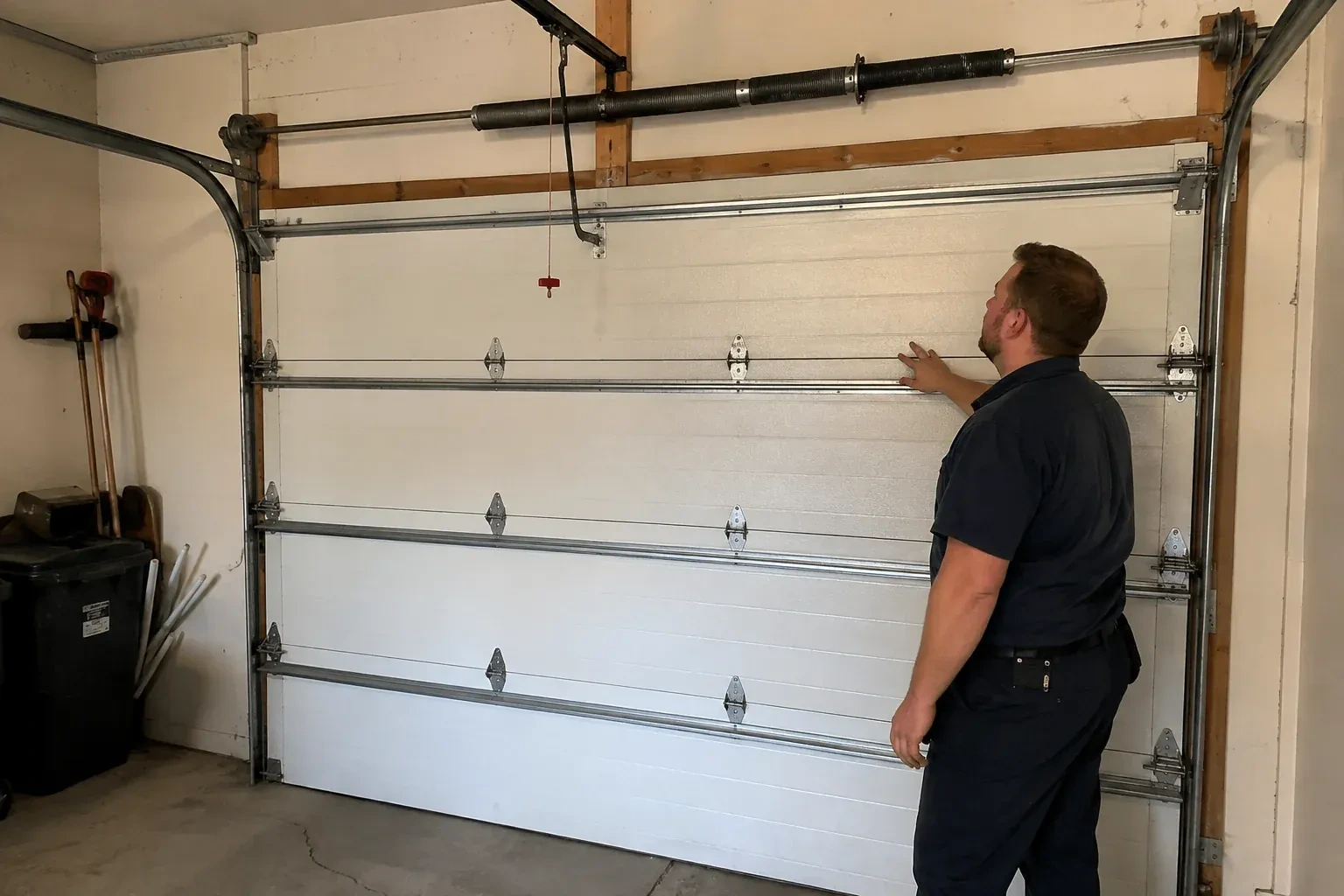
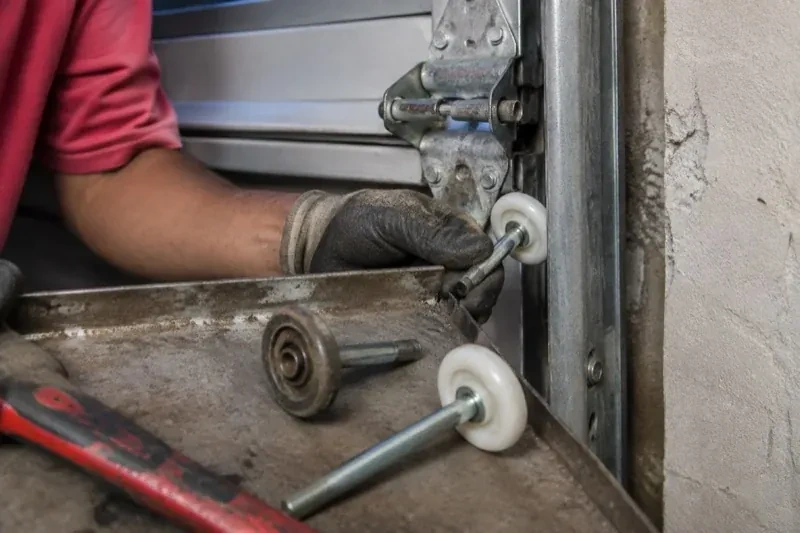
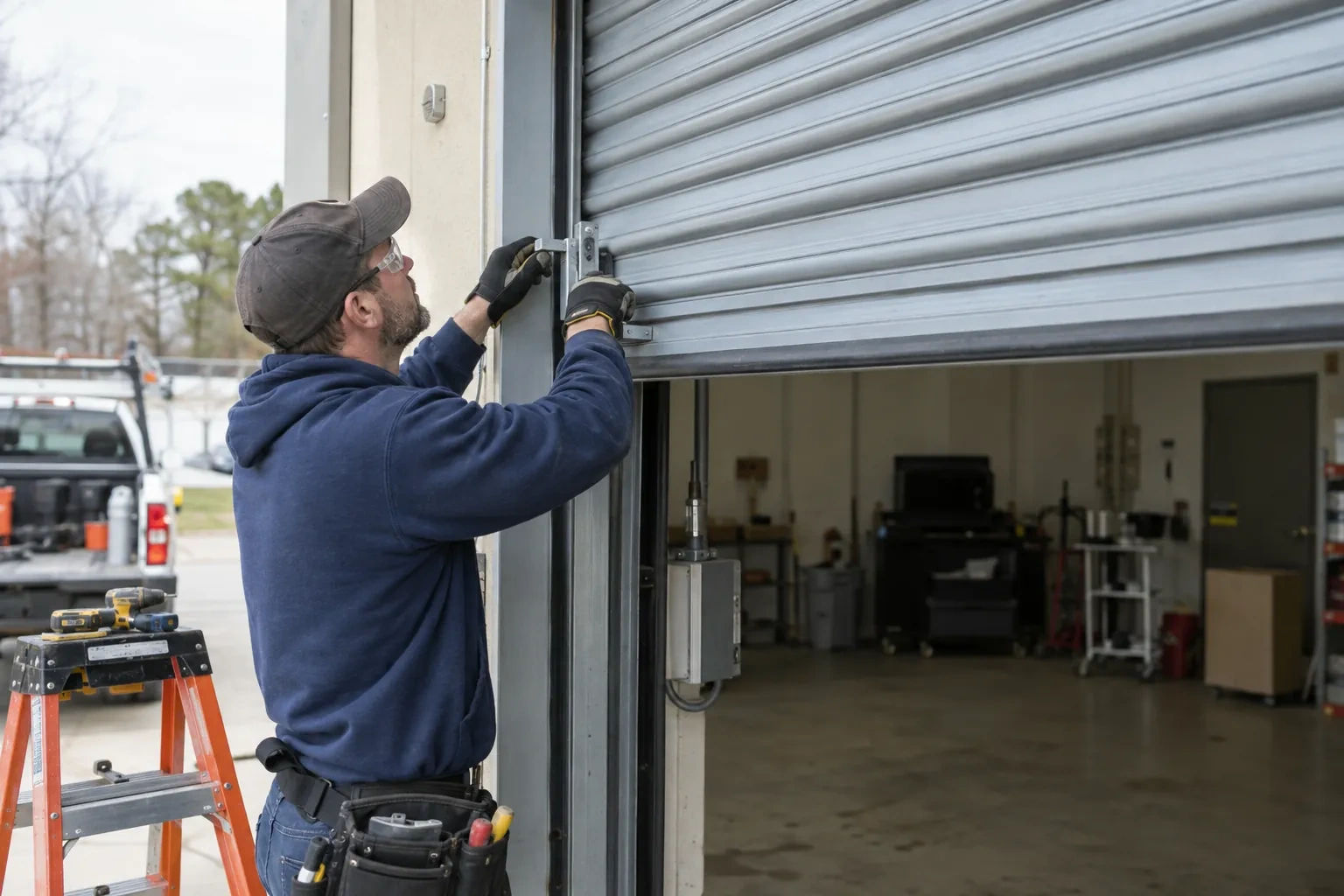
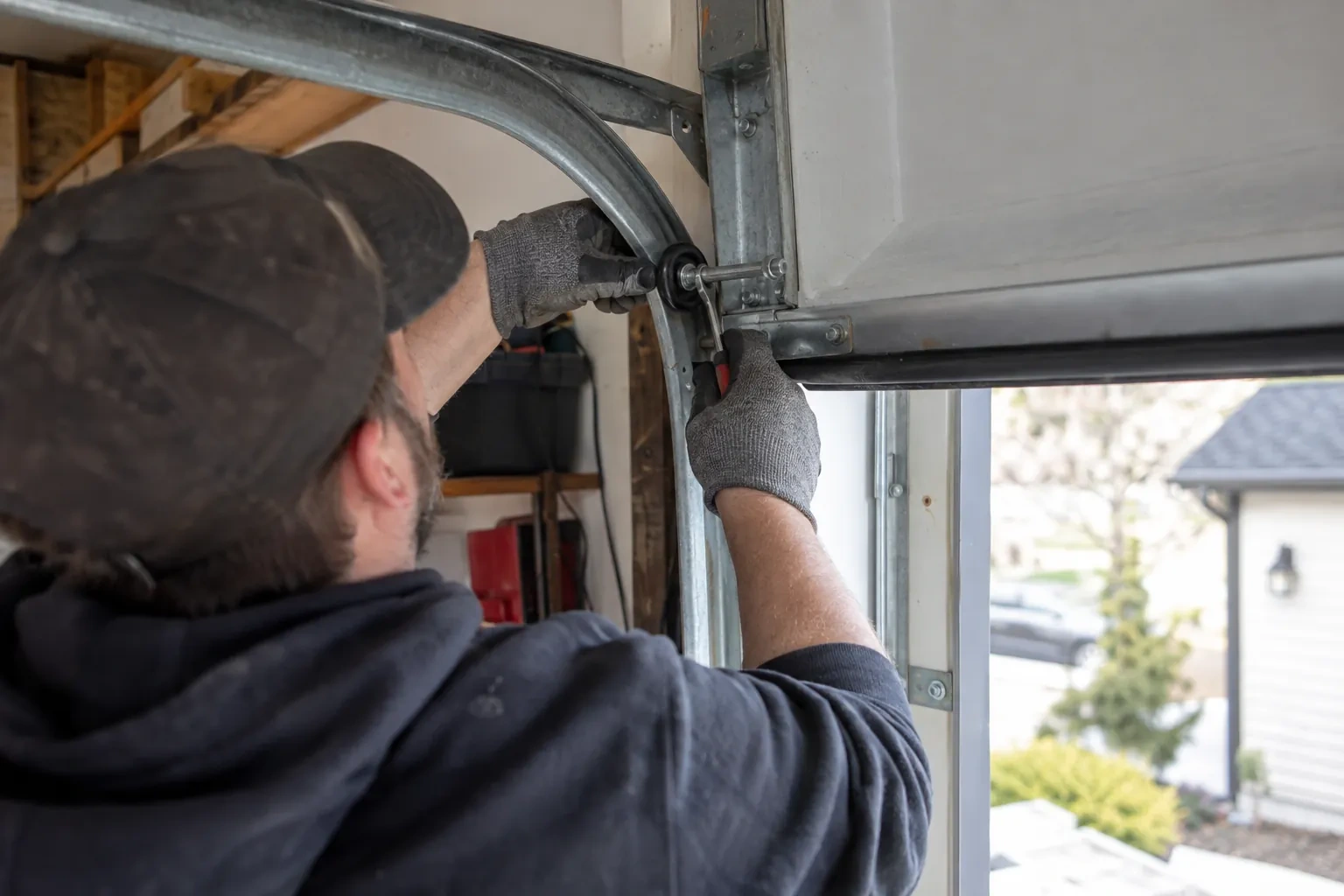
A balance visit follows a settled order. The technician first checks for a broken spring, displaced cable, binding or track damage; once safe to move, the door is run through a powered cycle, then released to repeat the movement by hand, separating the motor from the door. Springs, cables, drums, rollers, hinges and track are inspected before anything changes. Adjustment comes next, in small steps with a test after each one, until the door holds at every height and sits level. Finally the opener is reconnected, its settings reviewed against the newly balanced door, and the reversing safety tests run while you watch.
How the visit goesYou pulled the red cord to move the door by hand during the power cut, lifted it to about waist height and let go. Instead of staying put, it kept climbing on its own and thumped into the fully open stop.
Garage Door Balance Adjustment
How the visit goes
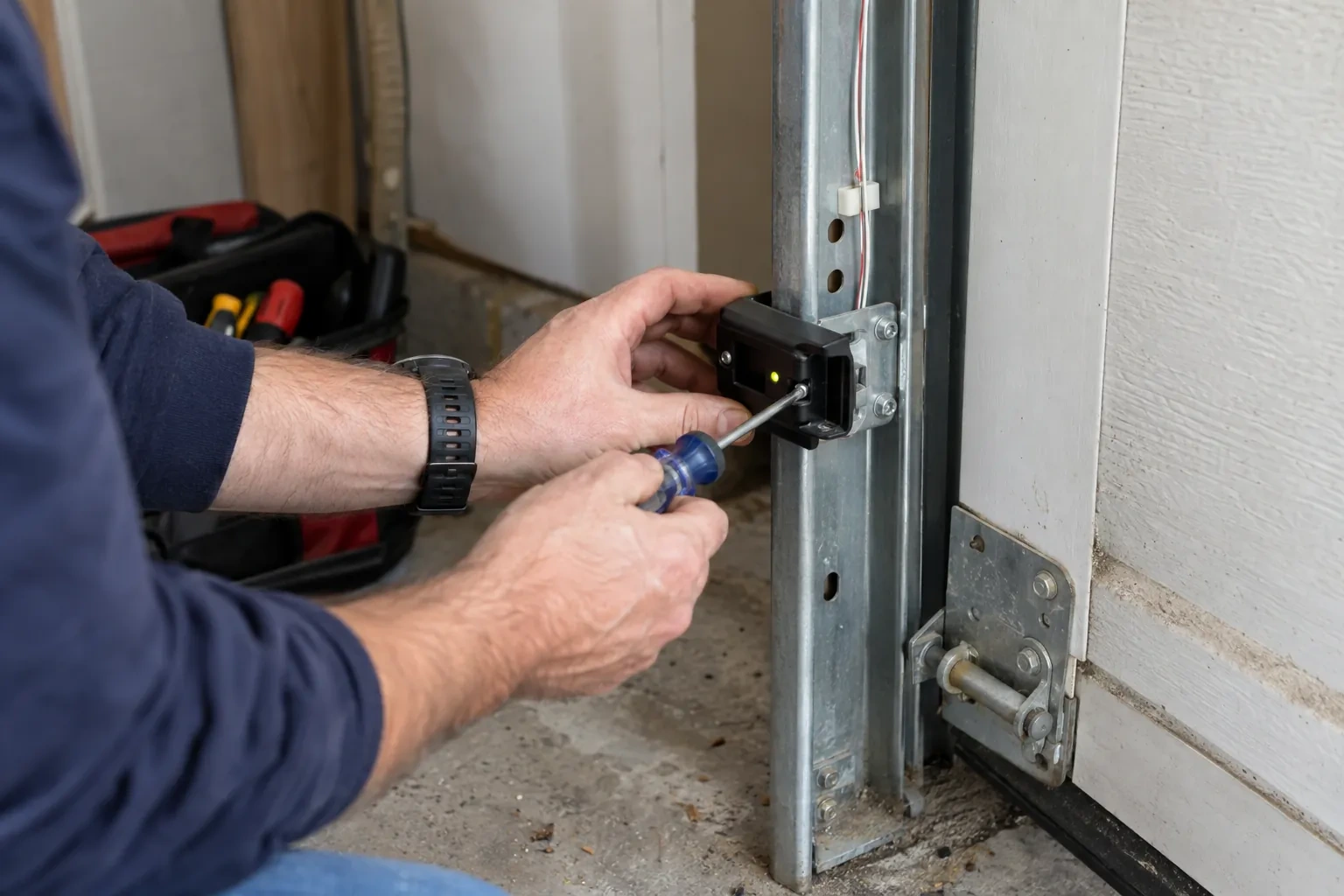
Looking at the opener's settings without touching them yet
The opener is inspected as a witness rather than a cure. The technician checks its force and travel settings, listens for strain during a powered cycle, and notes whether it reverses near the floor or stalls part way up. A force setting that has been turned up over the years is a strong hint that someone has been compensating for a door that grew heavy. Those settings are left alone for now, because the right order is to balance the door first and then fit the opener to it. Any change made to the opener before the door is corrected would only mask what the door is asking for.
When adjustment gives way to replacement
Sometimes the hand test shows that the springs have given what they have to give. A torsion spring wound beyond its design turns loses its remaining life; an extension spring stretched to its last hook is at its limit. When the inspection or the door's weight shows the springs are undersized or near the end of their cycle life, the technician explains this and offers a matched replacement, with new springs specified from the door's weight, height, drum and track. The balance work then continues on the new springs, and the outcome is the same properly balanced door, with the added benefit of a fresh cycle count.
Cables and level, checked with a glance
Once a month, with the door closed and the light on, look up at the drums and down at the bottom brackets. Each cable should wrap its drum in a single neat layer with the same number of turns on both sides, and hang taut without fraying or rust at the bottom loop. The gap under the door should be even from corner to corner. On an extension door, glance at the two springs for equal length and confirm the containment cable still runs through each. These take less than a minute and tell you the door is still level and the counterbalance still shares the load evenly.
Garage Door Balance Adjustment
In the van
Winding cone set screws
Torsion springs, matched pair
Replacement hinges
Garage-door lubricant
Containment cables
Garage Door Balance Adjustment
What affects the quote
Lubrication and tune-up
Some people combine the balance adjustment with a full lubrication and hardware tightening. That bundle is priced as a whole and saves a separate maintenance visit.
Whether a second person is needed to support the door
A heavier double door or one already sitting unevenly is sometimes safer to adjust with a second person steadying it while the springs are reset. That extra pair of hands is called in once the technician sees how the door is behaving on site.
Extension-spring containment and pulleys
On an extension door, a missing containment cable is added and worn pulleys are replaced with the adjustment. Each is a small parts line on the quote.
What to have ready
- Does the opener strain, stall, or reverse before reaching the floor?
- Has anything been added to the door, such as insulation, windows or a new section?
- Is there storage or shelving near the spring shaft that needs moving?
Garage Door Balance Adjustment: questions
QuestionsIs this something I can do myself?
The hand test, yes, and it is a good habit. The adjustment itself is a job for a trained technician, because the springs, cables, drums and bottom brackets are under high tension whenever the door is closed, and the industry's own guidance reserves any change to them for someone with the right bars, clamps and method. Leaving that part to the visit keeps the whole thing uneventful.
I am getting a new opener. Should the door be balanced first?
Yes, and installers will usually insist on it. A new opener is set up against the door it meets on the day, so its travel and force settings are only right if the door is already balanced. Fitting a new motor to a heavy door shortens the motor's life and puts the safety reversal out of range. Balancing first means the new opener starts life doing the light work it was designed for.
What is the red cord hanging from the opener for?
It is the manual release. Pulling it disconnects the door from the opener's trolley so the door can be moved by hand, which is how the balance test is done and how you get the car out during a power cut. The industry standard calls for it to be red and reachable, no more than about six feet above the floor. Reconnecting is usually as simple as running the opener once.
Related services
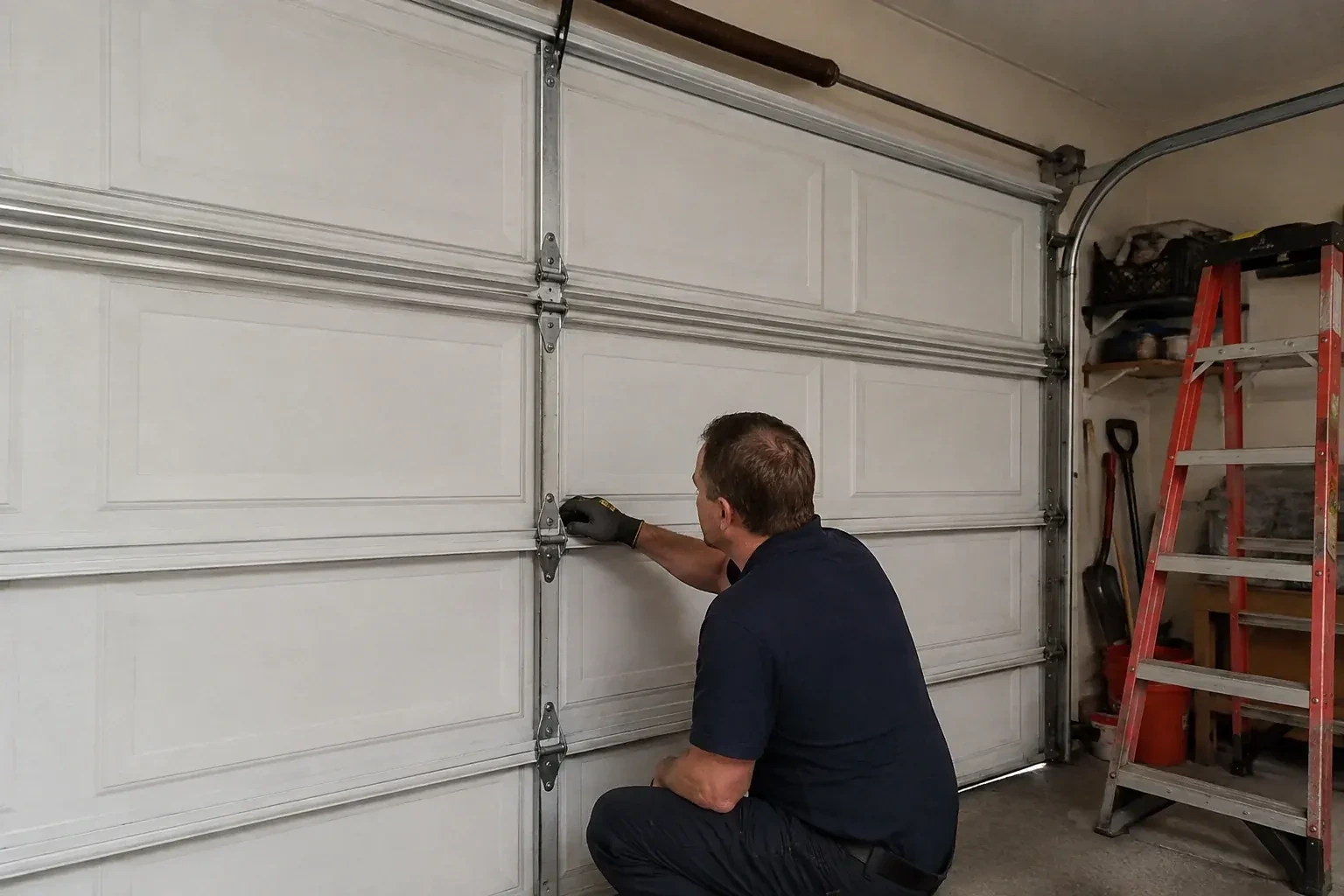
- Garage Door Hinge ReplacementThe roller at the top of the second panel is leaning outward and only half of the wheel is still in the track.
- Garage Door Track Repair or ReplacementYou bought the house with a door that sticks near the top of its travel.
- Garage Door Cable ReplacementThe cable has wrapped itself around the shaft above the door instead of sitting on its drum.