Garage Doors in Lakeview Park, OntarioA new door,chosen with care.
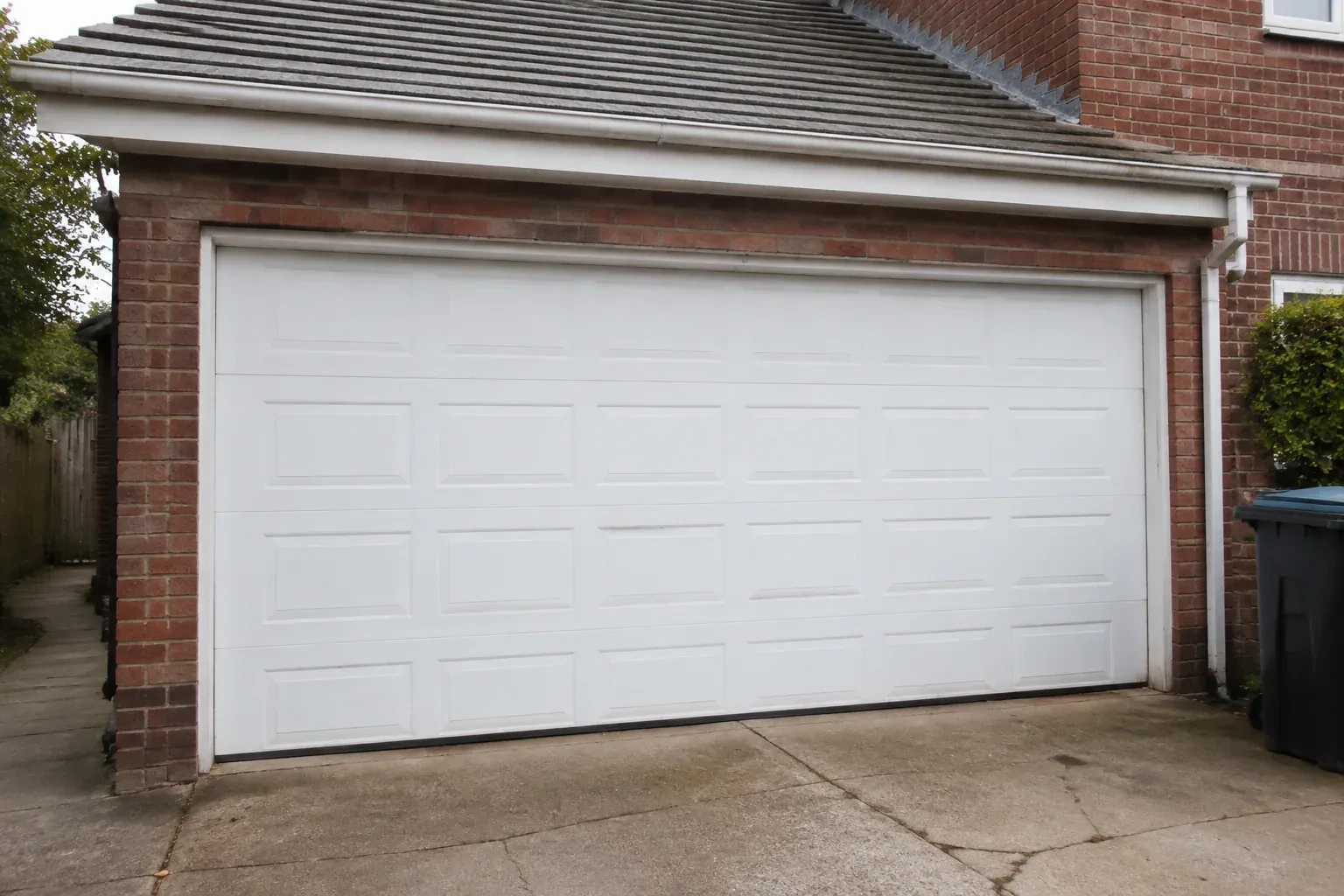
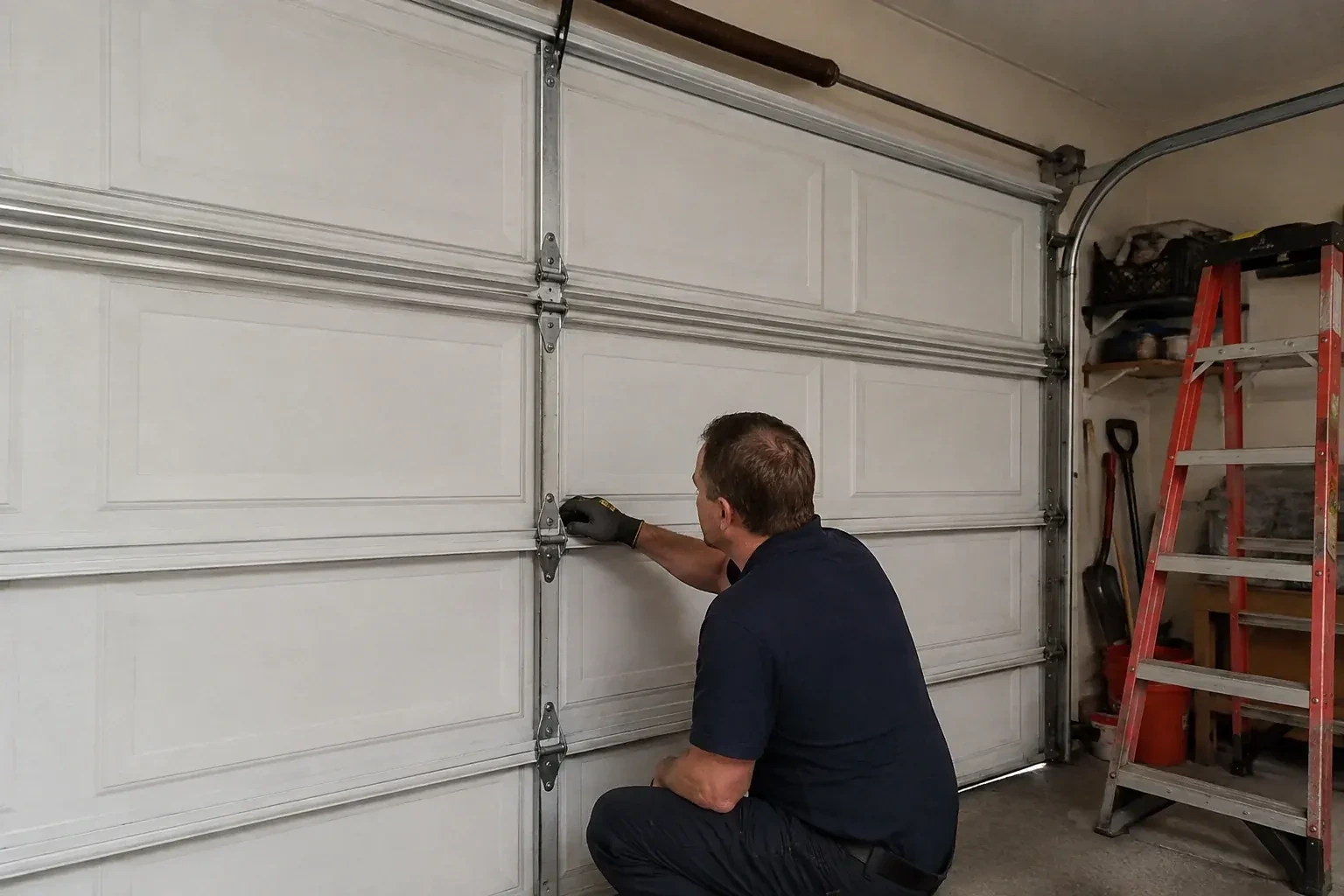
Choosing a garage door for a house in Lakeview Park means thinking about insulation, windows, colour, how the panel pattern breaks up the face of the home, and how the door will sound at dawn. We walk through each of those questions with you and measure the opening before anything is ordered.
Choosing a garage door for a house in Lakeview Park means thinking about insulation, windows, colour, how the panel pattern breaks up the face of the home, and how the door will sound at dawn. We walk through each of those questions with you and measure the opening before anything is ordered.
Repair when it makes sense. Replace when it doesn't.
Landlords and property managers in Lakeview Park get a written summary after every visit: the address, what was found, what was replaced, and what is likely to need attention next. Tenants get a door that works and remotes that behave. Everyone knows where things stand without a second phone call.
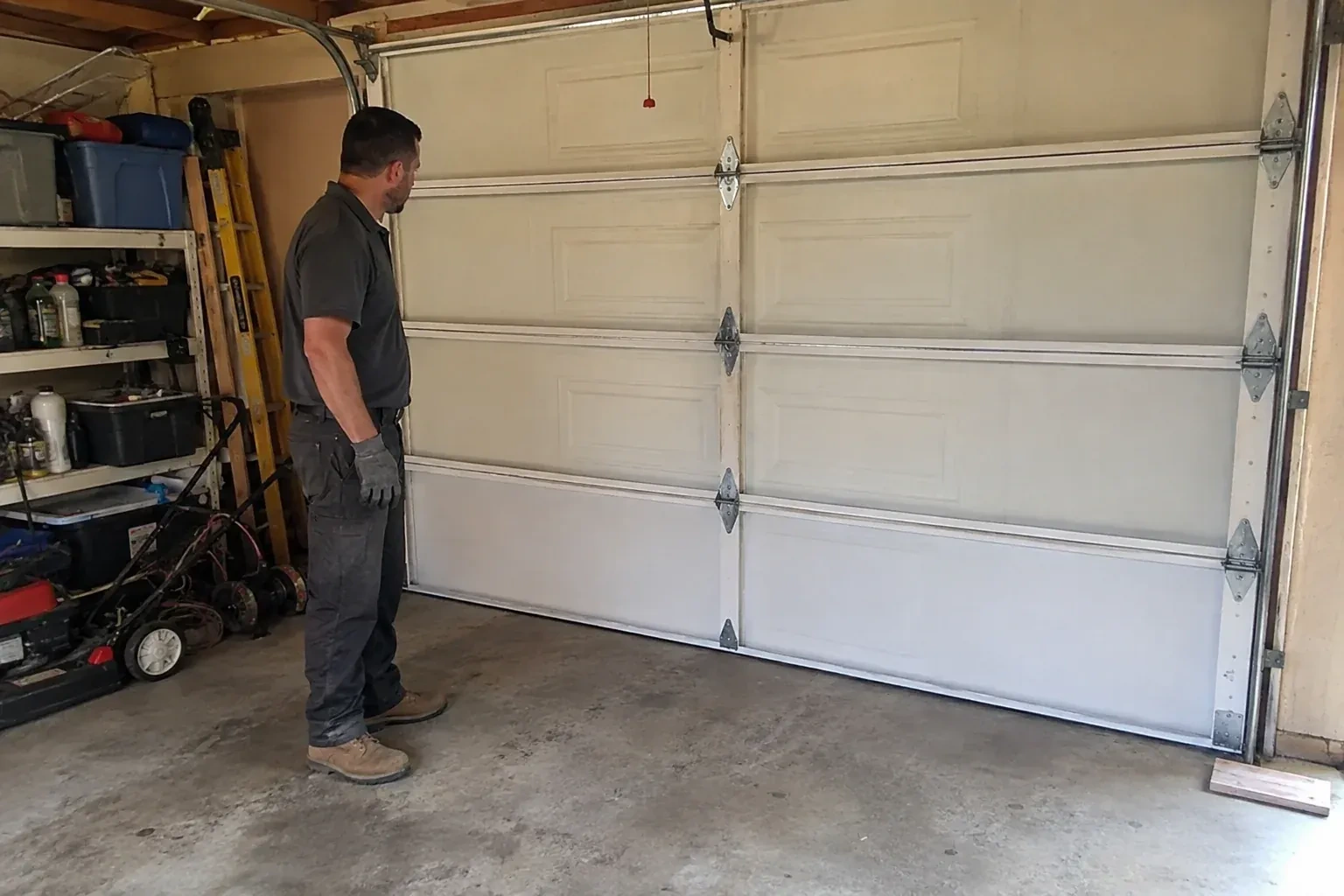
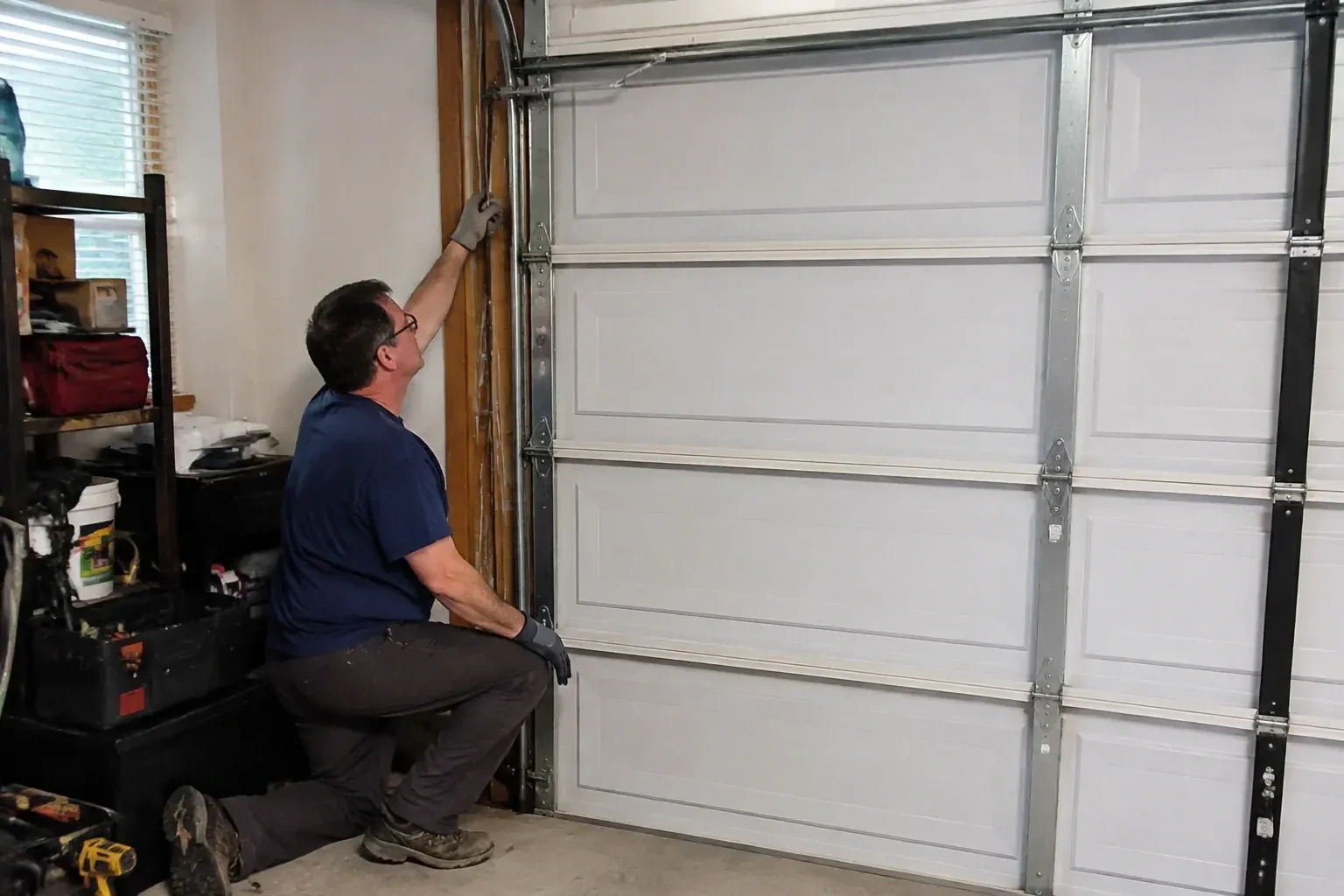
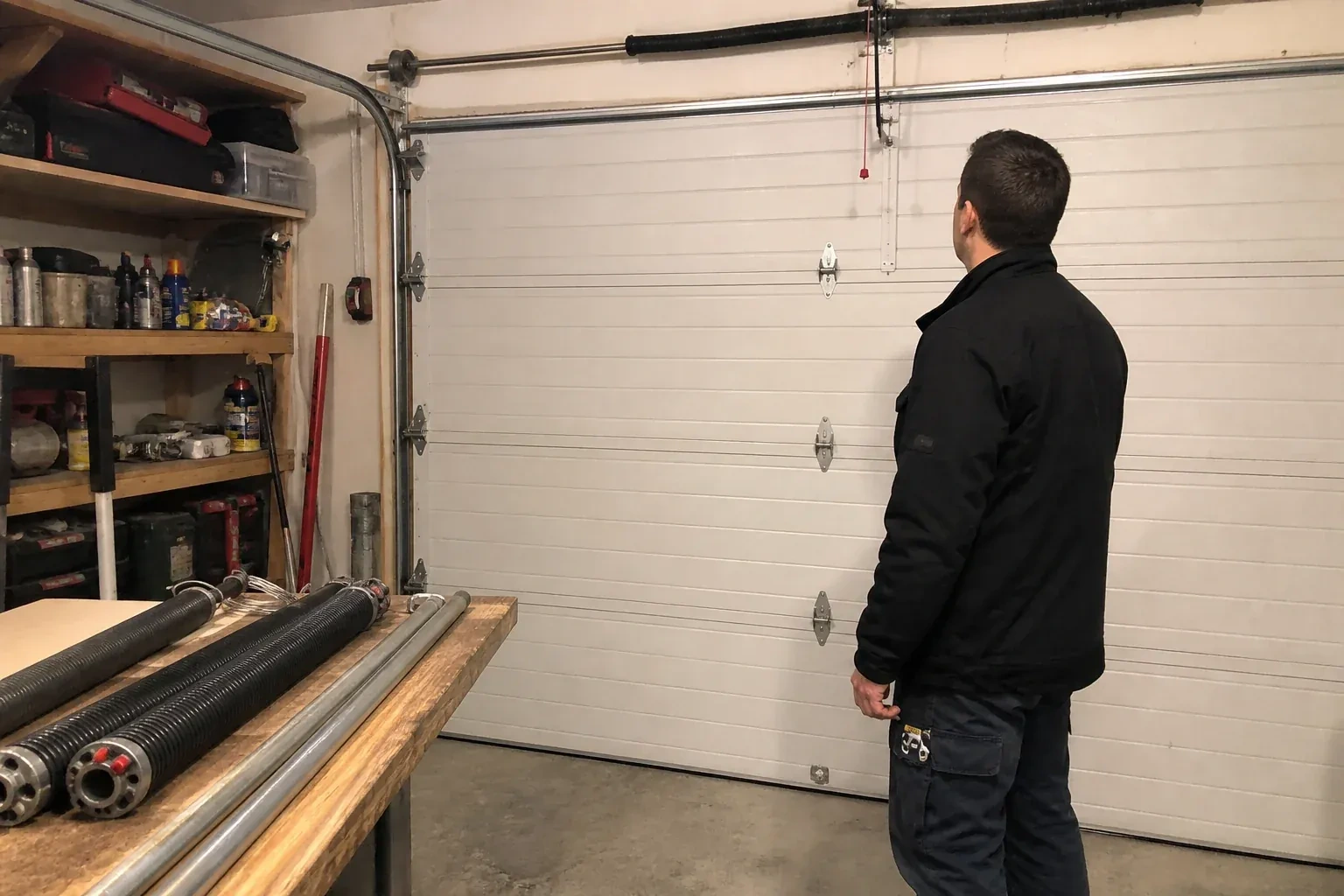
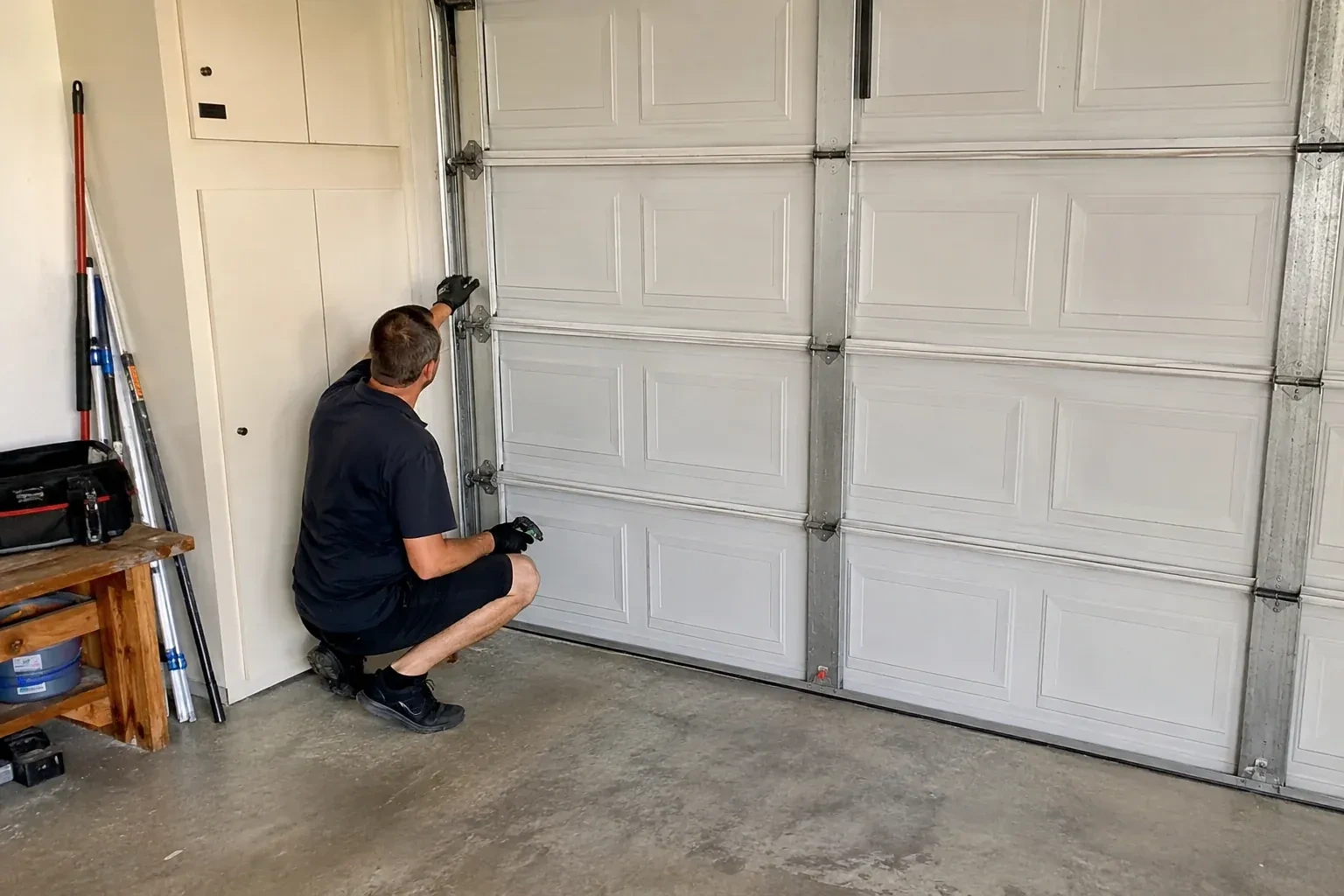
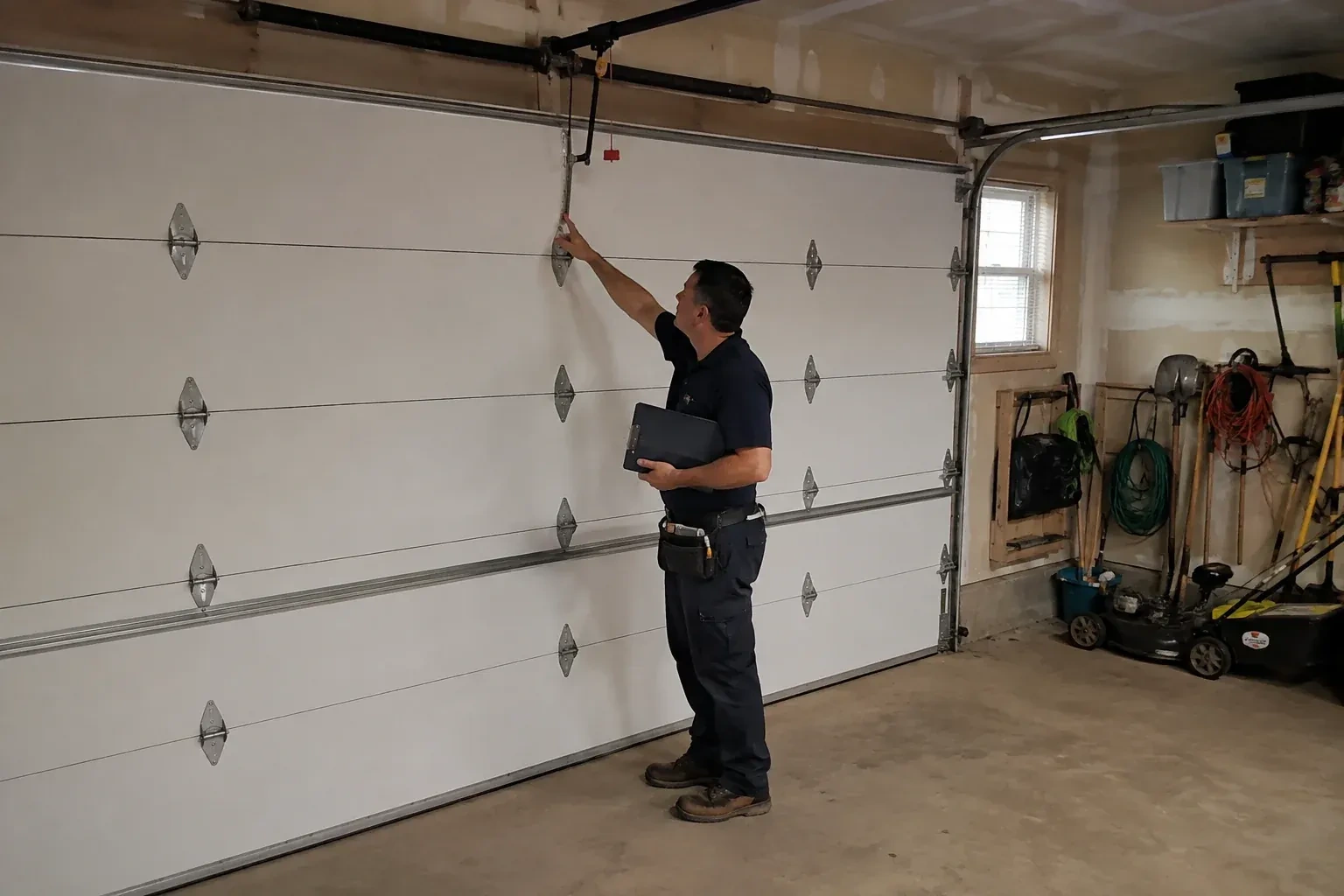
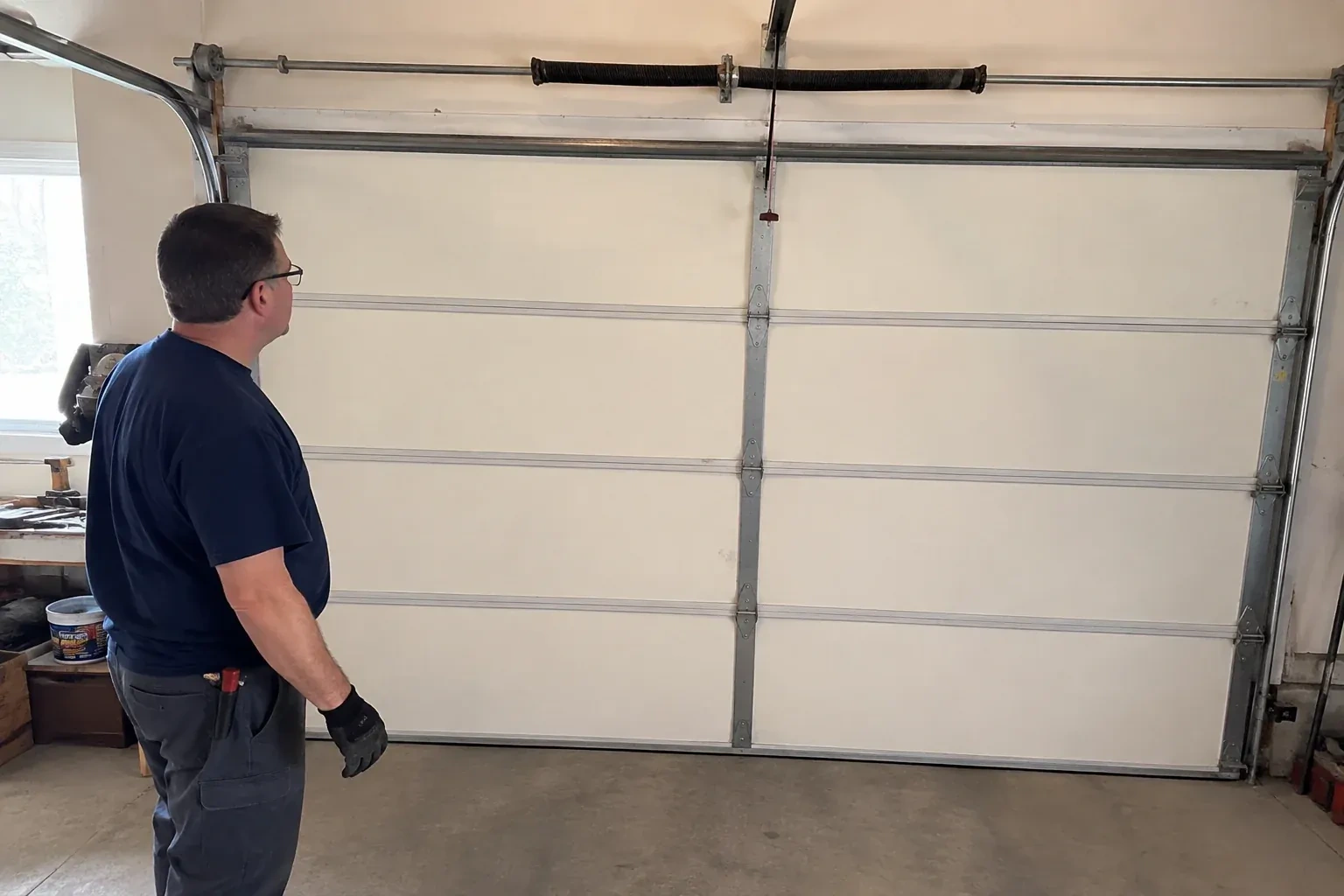
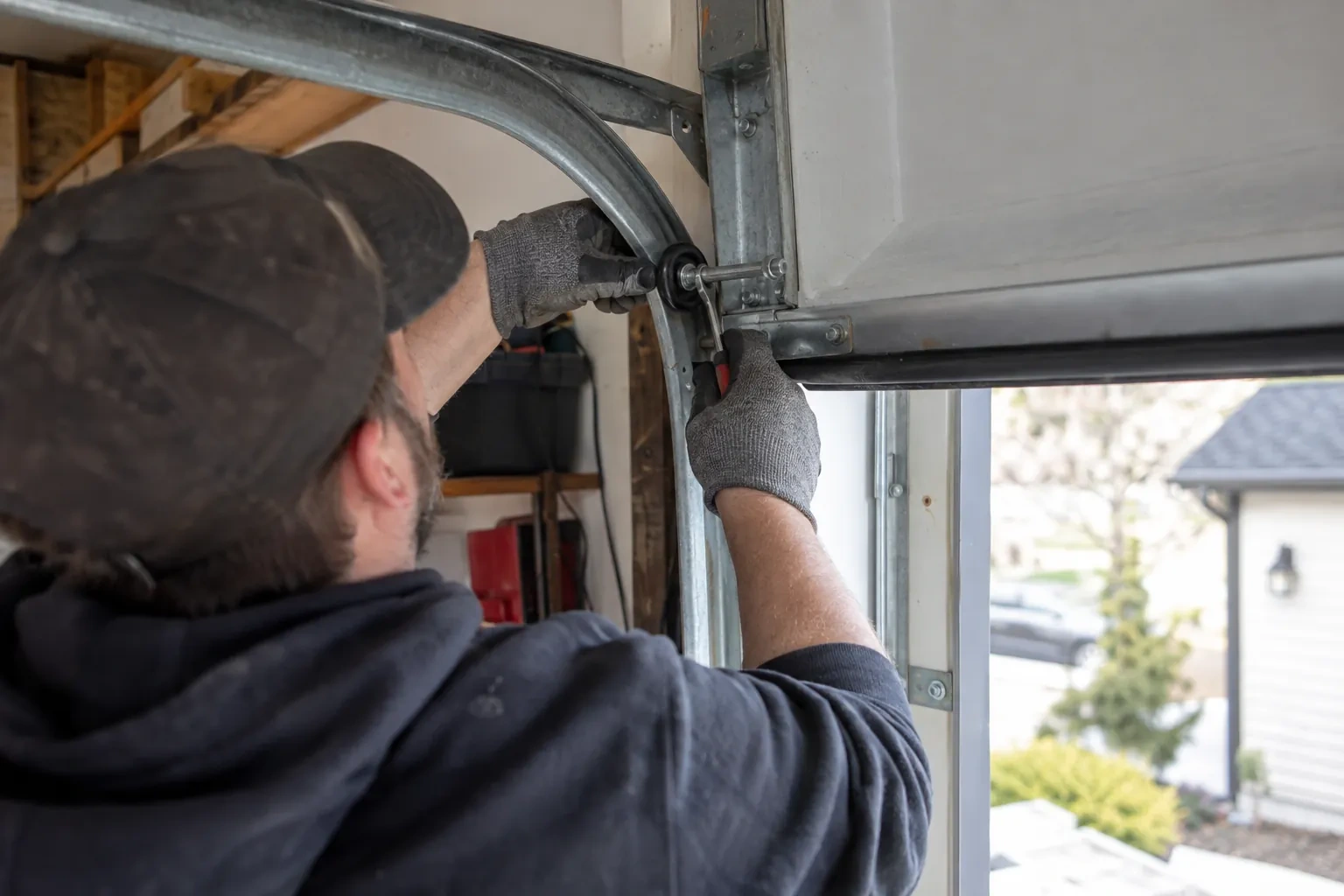
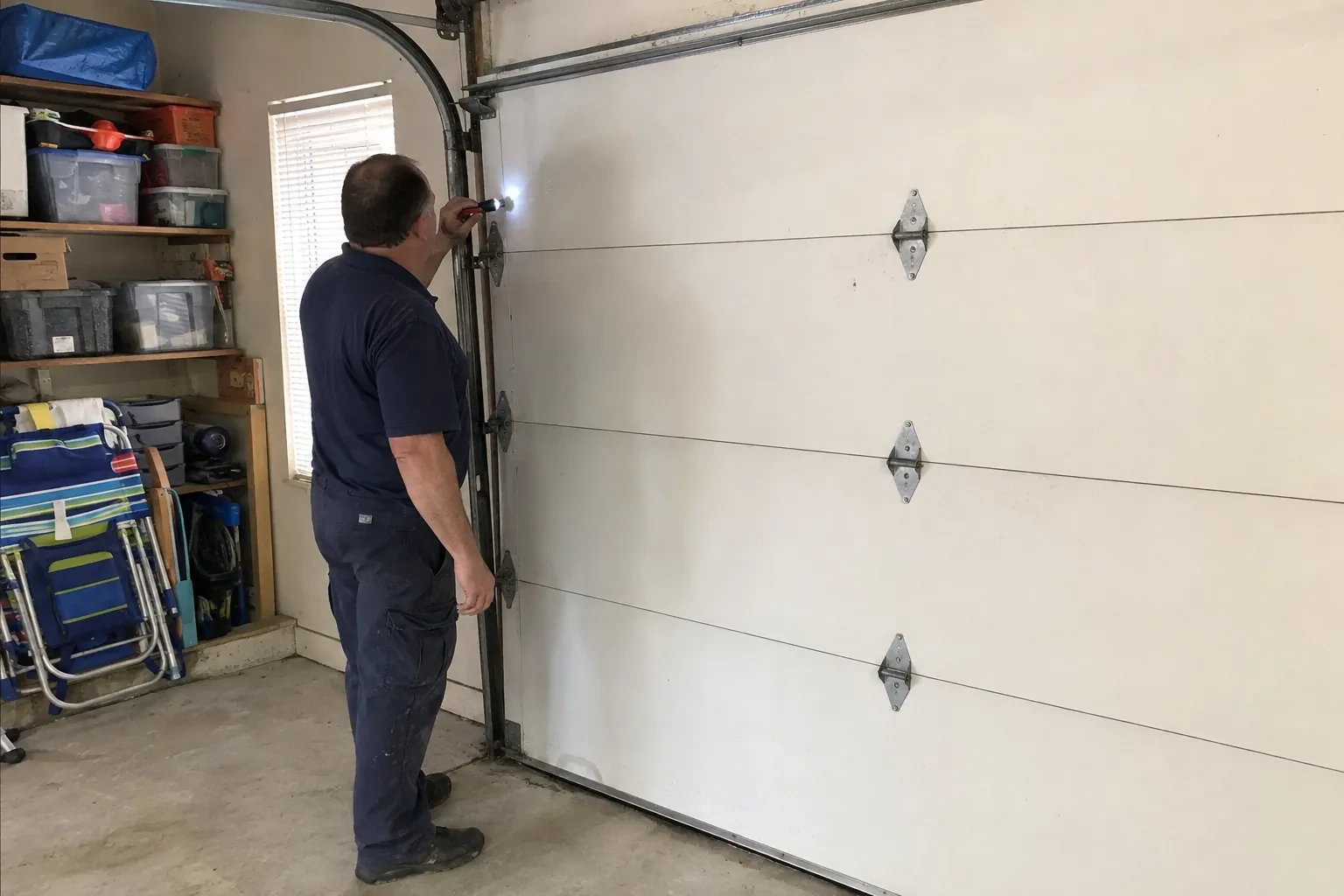
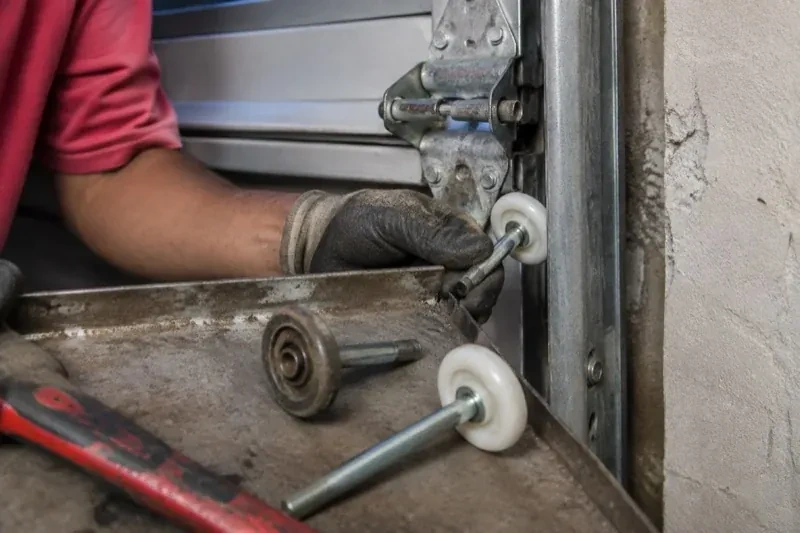
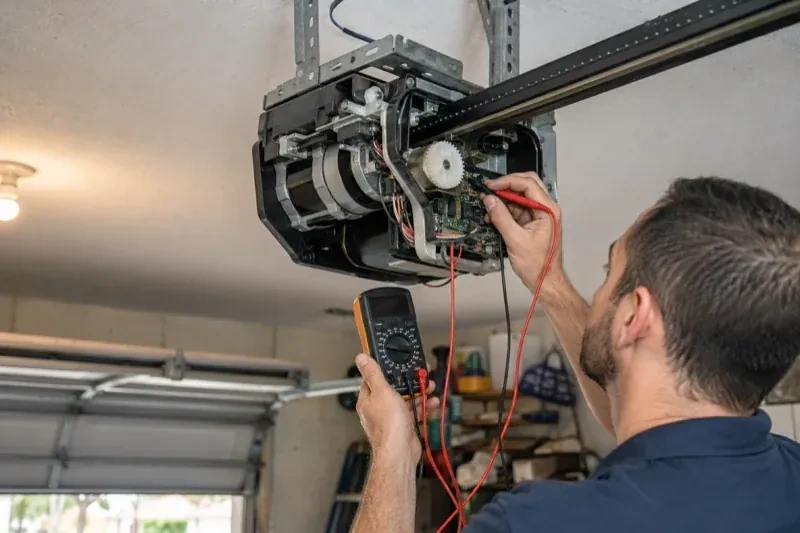
When a garage door in Lakeview Park needs attention, we would rather you understand the problem than simply be told what it will take to fix it. Our technicians show you the worn spring, the frayed cable or the tired gear, explain what caused it and set out the sensible options side by side. The repair is done carefully, the door is tested with you watching, and the garage is left clean.
30years in business
24/7open every day
Plain language. No jargon, no acronyms. We describe the door's parts the way a neighbour would and answer every question as it comes.
Respect for your home. Shoes covered, tools on a mat, vehicles protected. Working in someone's garage is a privilege and we treat it that way.
Honest options. Where there is more than one way forward, you hear all of them, with the trade-offs, and choose what suits your budget and plans.
Book the visit that gets your Lakeview Park door moving again.
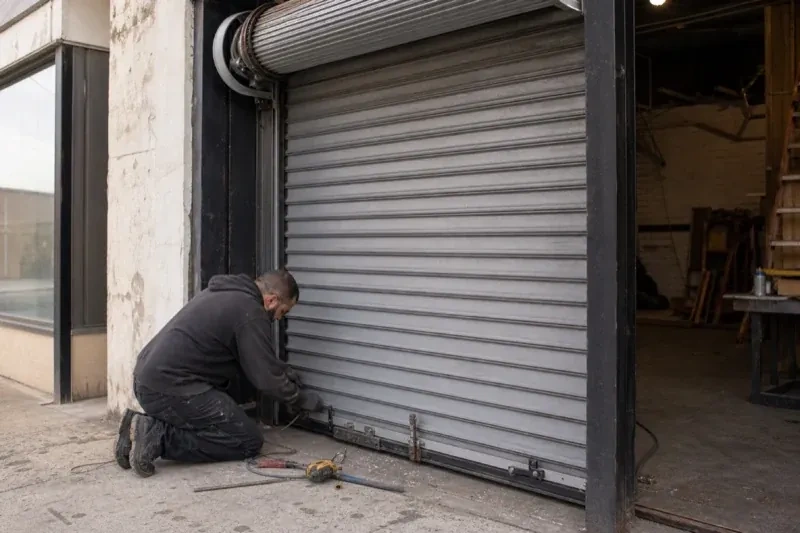
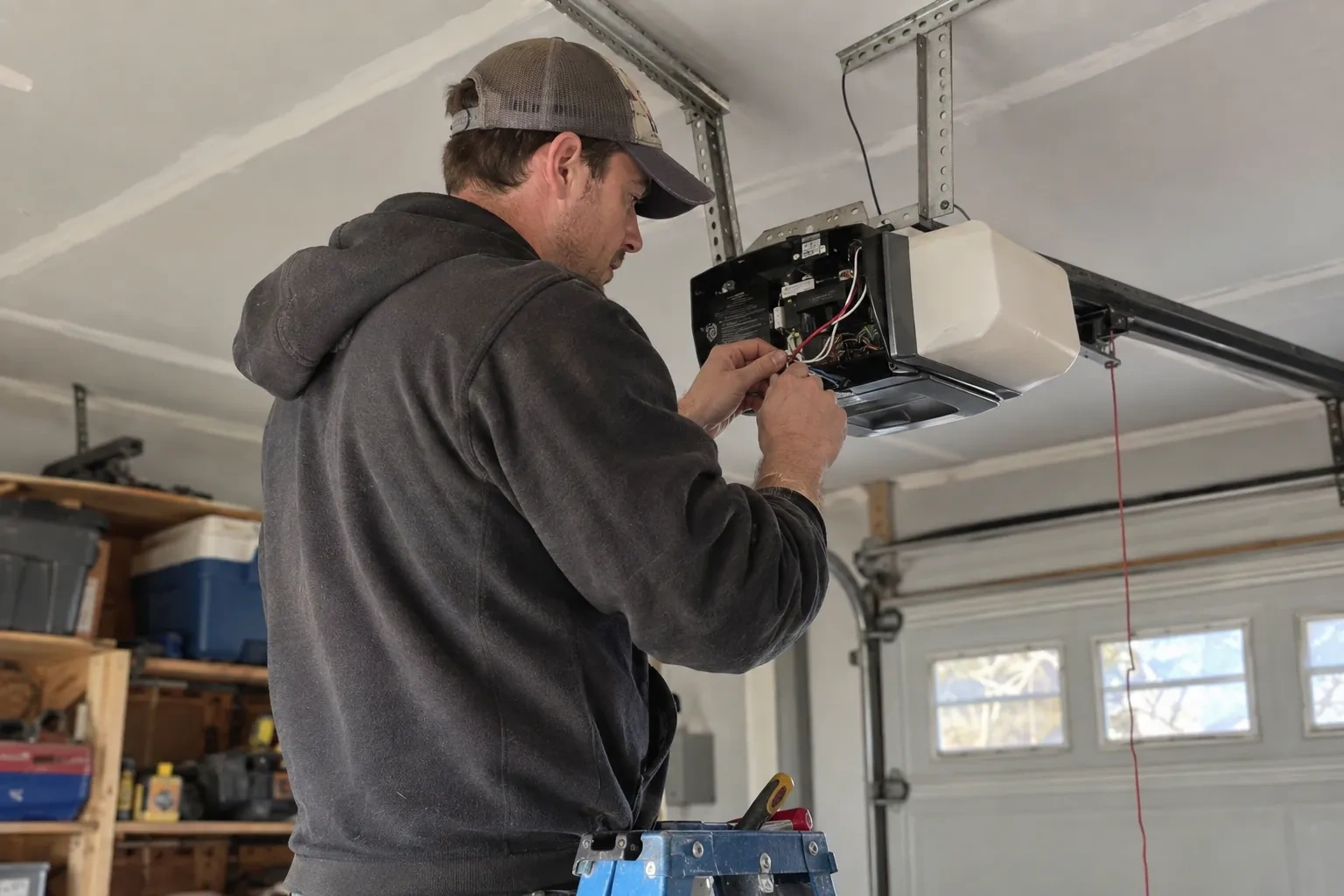
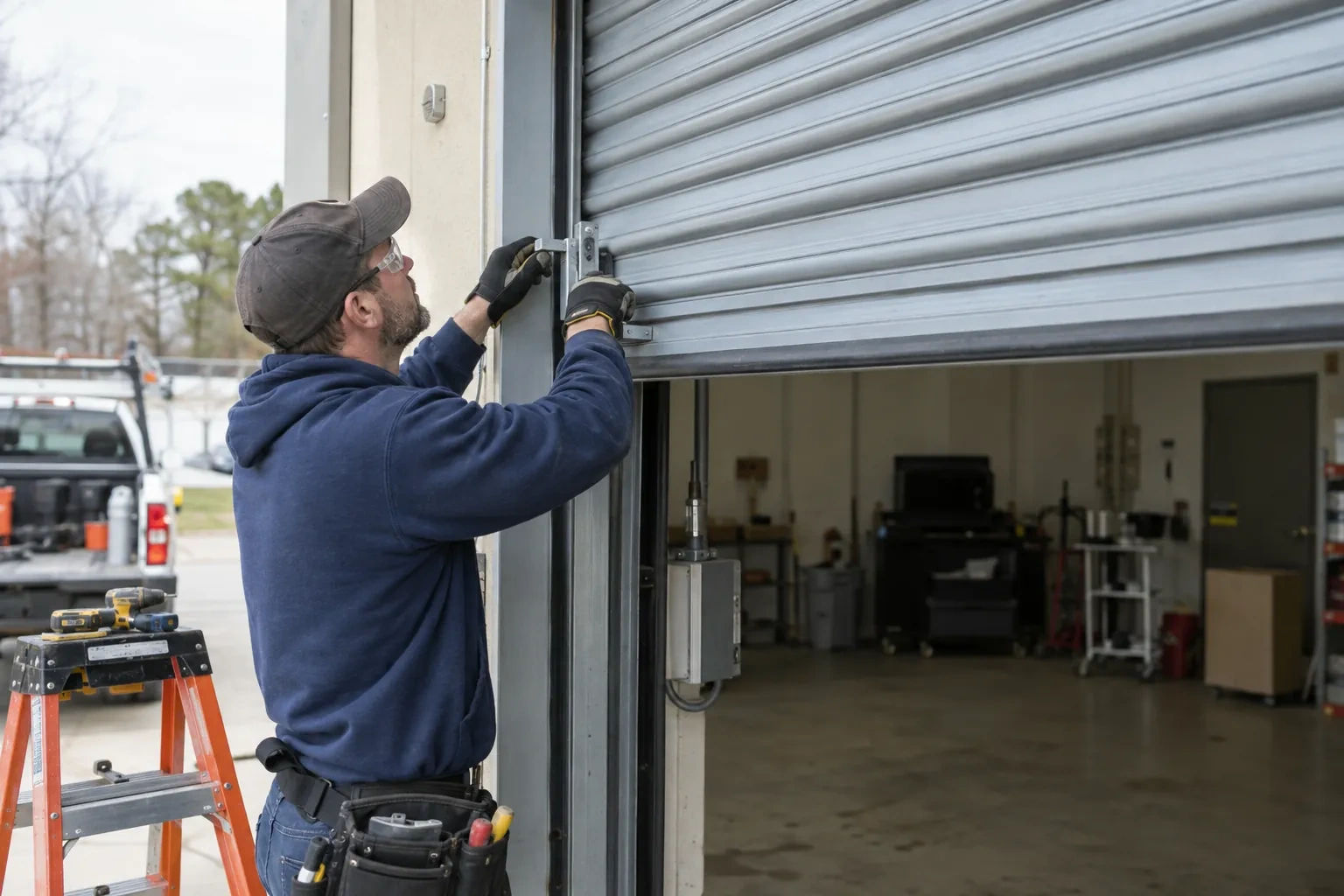
Businesses in Lakeview Park need doors that keep moving; homeowners need doors that are safe and quiet. We serve both. Commercial services include rolling and sectional door repair and operator replacement; residential services run from spring and roller work to openers, seals and new insulated doors.
About 59% of homes in Oshawa were built in 1980 or earlier, according to the 2021 Census.
Older homes
Older garages tend to have lower headroom and narrower single openings, so replacement doors and openers are chosen to fit the space rather than the other way round. Measuring the header, side room and ceiling depth is the first step on every one of these visits.
Single-detached houses make up about 56% of homes in Oshawa (2021 Census).
In a neighbourhood with both detached and attached homes, some customers decide alone and others report to a board or property manager. We adapt the visit accordingly, giving a homeowner options at the door and a manager a written summary they can circulate.
After an overnight freeze the door stuck to the slab, the opener strained, and something gave. The bottom section is bowed inward, one hinge has torn free of its screws, and the rubber seal along the bottom no longer sits flat.
Someone left the snow shovel leaning in the opening and the door came down on it. Now a loop of steel cable hangs loose beside the track and the door refuses to close the last few inches.
You pulled the red cord to open the door during a power cut and it barely moved. Lifting it took your whole weight, and when you let go it came down hard. It used to float up with one hand.
Since the new insulated panels went in, the door feels like a different animal. It closes with a thud, the opener labours where it used to hum, and lifting it by hand takes a proper heave rather than a fingertip.
The door opens about a third of the way and stops. Turning the limit screw on the head has made no difference, and the trolley seems to sit in the wrong place along the rail when the door is fully closed.
The remotes only work from the end of the driveway now, and one of them disappeared with a set of keys last month. Inside the remote are tiny switches instead of a learn button, so excluding the missing one means resetting the switch pattern on every remote and the receiver.
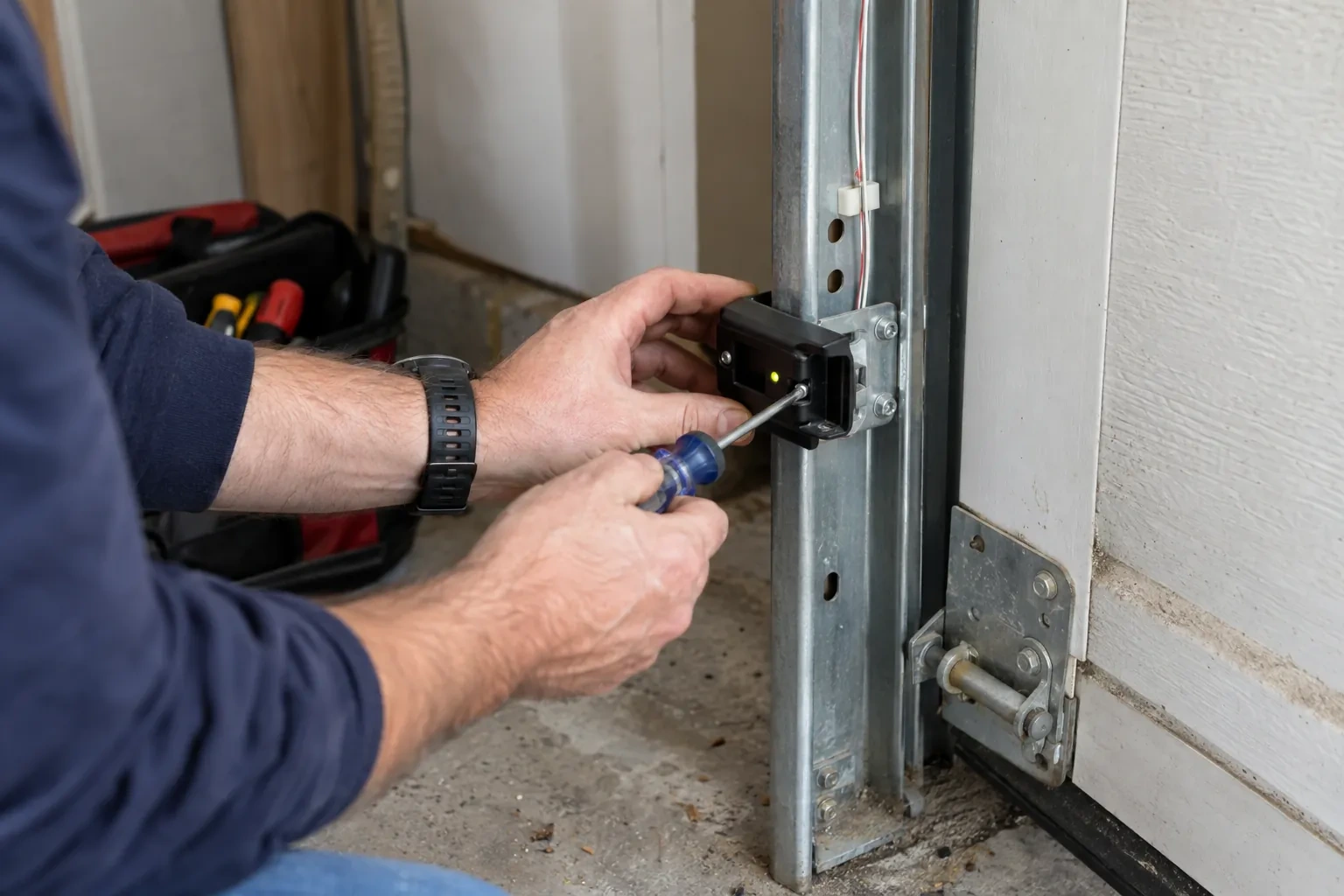
Someone backed the car in a little too far, a bin or a bicycle brushed the track, and since then the door starts to close and comes back up. One sensor now sits at a slightly different angle from the other.
Several sections are rusting along their lower edges, and one has begun to bow. The door still travels, but its tired panels, widening gaps and uneven finish now make the whole entrance look overdue for renewal.
Two new garage openings sit side by side on the same elevation. Their door sections, window layouts and tracks need consistent alignment while each system remains properly matched to its own size and weight.
A metallic clatter now comes from inside the hood whenever the curtain coils. The sound follows each revolution, the travel has become jerky, and fine metal dust is visible near one bracket and bearing.
Press the button and the opener hums for a second, then quits. The trolley is jammed hard against a bolt at the very end of the rail near the motor and will not budge in either direction.
After the power came back you pulled the red cord to get the car out. Since reconnecting, the door stops short of the floor, and no amount of turning the limit adjustment brings it the rest of the way down.
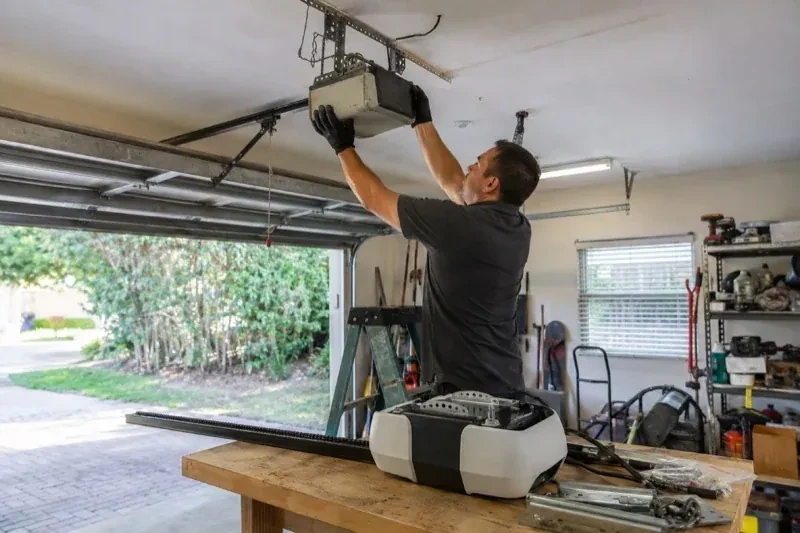
You want the ceiling back. A storage loft, a vehicle lift or kayak racks would fit if the long rail and motor box were not hanging in the middle of the garage, and the low ceiling of an older house leaves little room for the standard rail anyway.
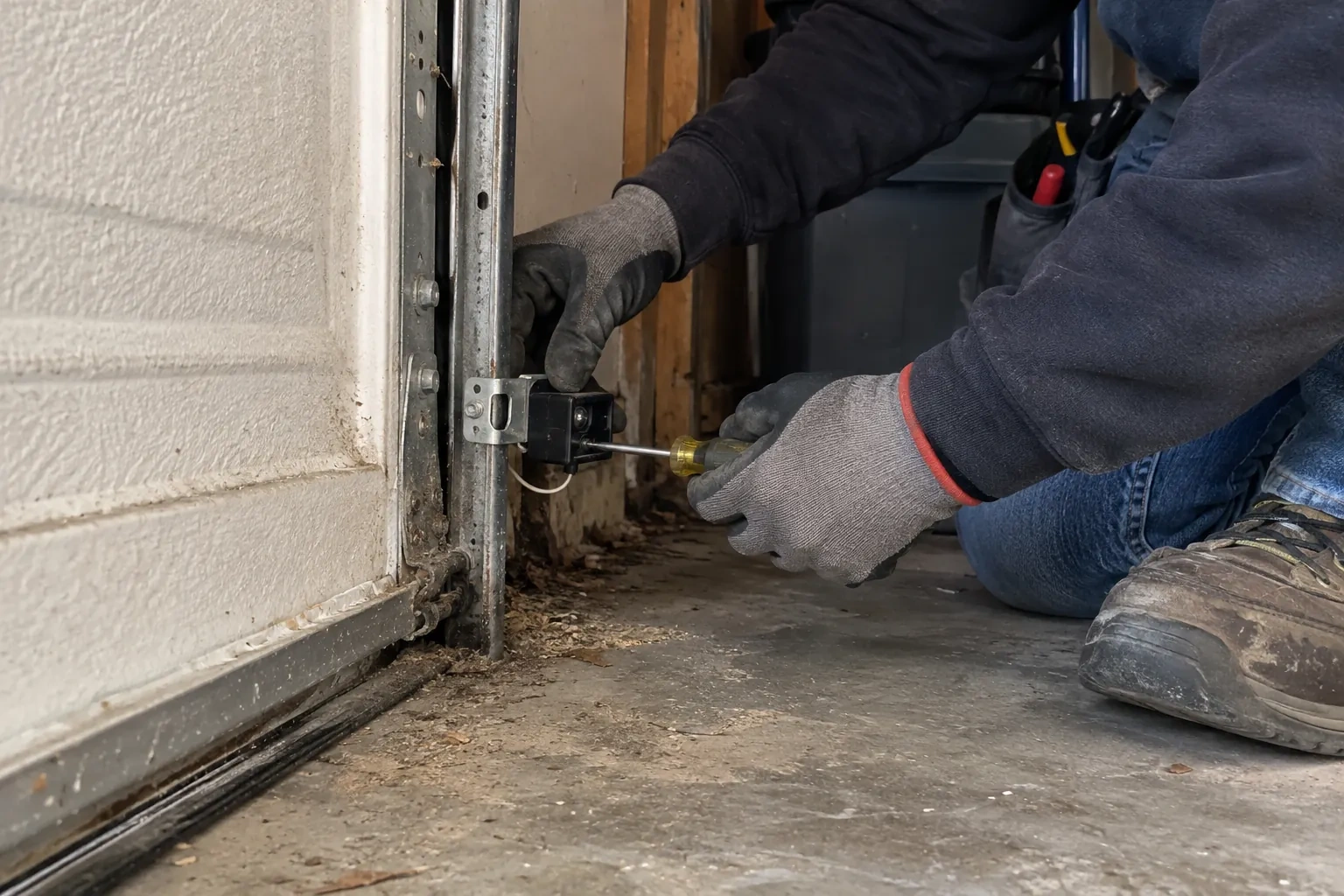
Since shelving went up along the garage wall, the door will not close and both sensor lights are dead. A screw or staple may have gone through the thin wire that runs from the opener to the sensors.
Someone in the family tried to add a remote, held the button on the ceiling unit a little too long, and now every remote in the house is dead at once. The wall control still moves the door.
A smart hub arrived in the mail with a coin-cell sensor and two wires. The instructions ask what colour your learn button is and how old the opener is.
Someone pulled the cord last spring to get a car out during an outage, and the door has never properly rejoined the opener. Press the button and the trolley glides along the rail by itself while the door stays exactly where it is.
Which fix fits?
After an overnight freeze the door stuck to the slab, the opener strained, and something gave.
How long does it take to get a replacement section?
Sections are made to order for a specific model, size, position and colour rather than kept in stock, so there is a lead time from the manufacturer. It varies with the maker, the colour and the season, and the technician confirms the expected timing when the order is placed. In the meantime the door is left in a safe state, either in normal use or braced and closed, depending on the damage.
Can I lift the door by hand while a cable is off?
Leave it. With one cable slack the door is being carried on one side only, so it is unbalanced and may bind or drop unevenly when moved. The technician arrives with clamps and a method for taking the door's weight before anything is moved, and that is the moment to lift it. Until then a stationary door is exactly what you want.
Would a stronger spring make the door easier to lift?
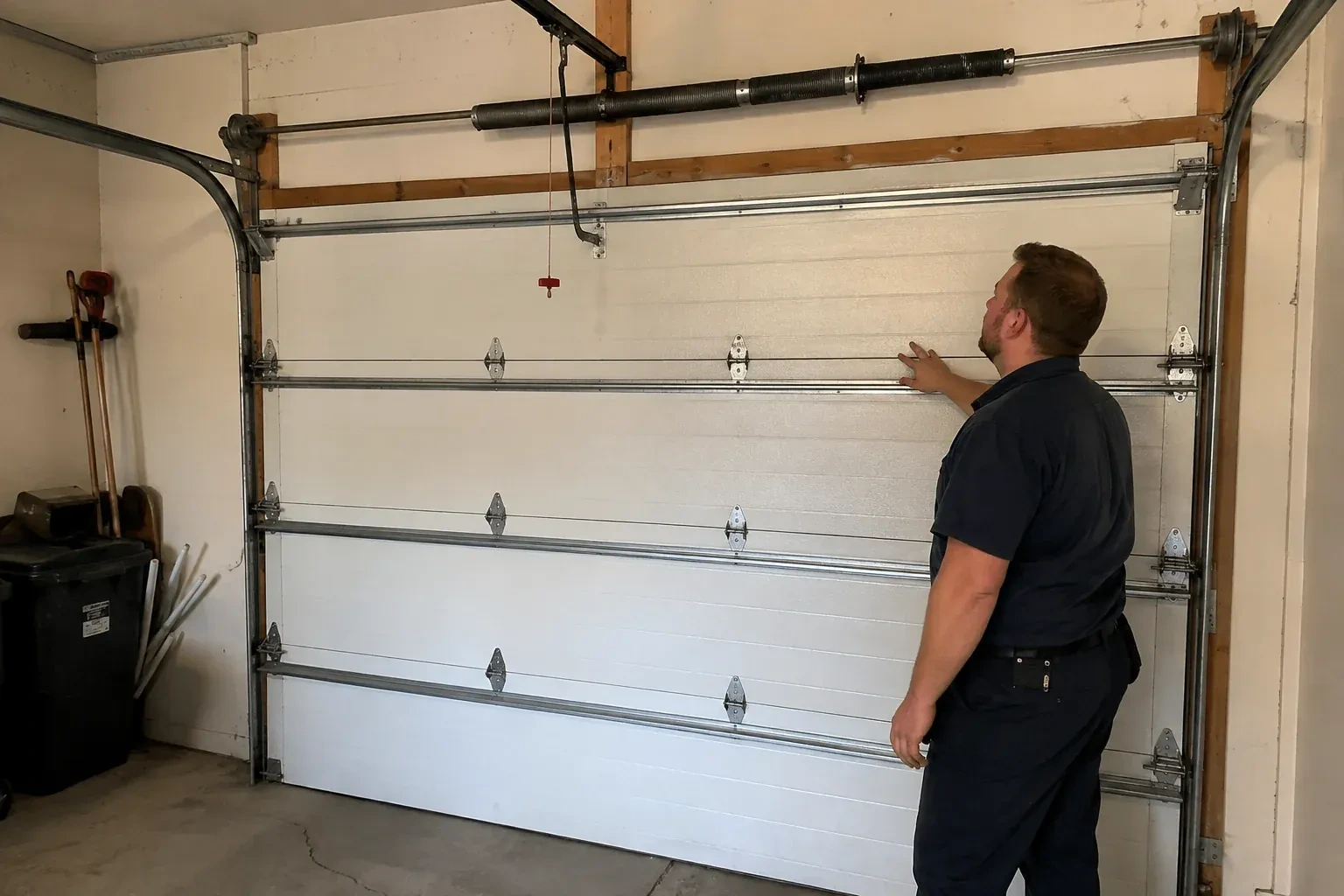
Not in a useful way. The aim is a spring that matches the door's weight, so the door holds still wherever you leave it. A spring rated above that weight pulls the door up on its own, makes it hard to close, and leans on the opener to hold it down. A spring rated below lets it sink. Matched springs, set to the same hook position, give the light, even feel you want.
I am getting a new opener. Should the door be balanced first?
Yes, and installers will usually insist on it. A new opener is set up against the door it meets on the day, so its travel and force settings are only right if the door is already balanced. Fitting a new motor to a heavy door shortens the motor's life and puts the safety reversal out of range. Balancing first means the new opener starts life doing the light work it was designed for.
My garage is detached and unheated. Does that change the repair?
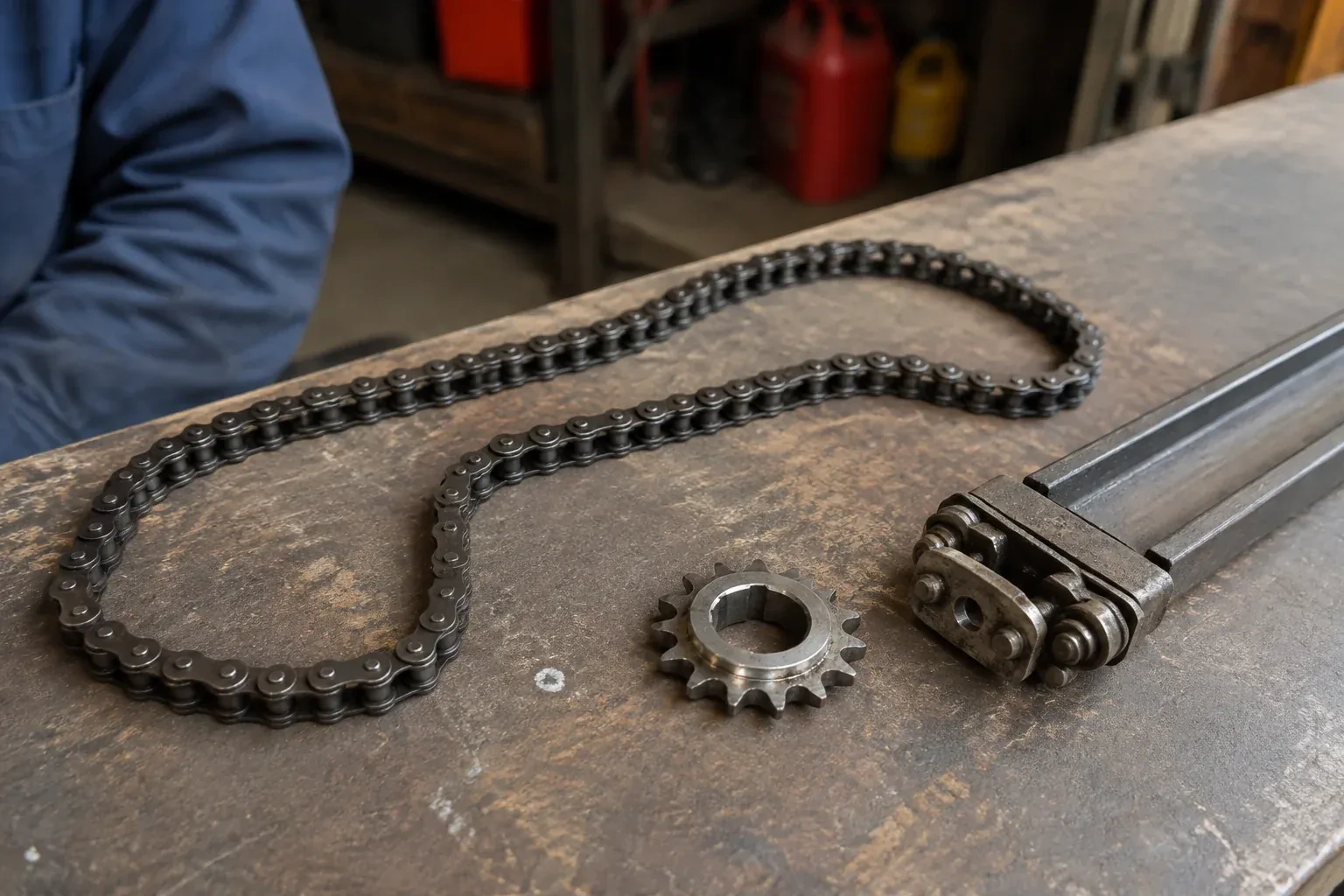
It shapes it. Cold thickens grease and stiffens a chain with any rust on it, so the technician cleans and regreases the rail and gears, replaces a rust-bound chain rather than tensioning it, and sets force so the door moves at low temperature without the operator being oversensitive. Salt corrosion on the chain and bottom hardware from vehicles is checked. The advice afterwards leans on keeping the threshold clear so the seal does not freeze to the slab.
Will a new opener make the door quieter?
A belt or direct drive with a soft-start DC motor removes most of the operator's own noise, and a level, well-tensioned rail removes the rattle. The door contributes its own sound through rollers, hinges and springs, so the technician looks those over during the balance check and can fit nylon rollers or fresh hinges at the same time. Together the two changes turn a morning rumble into a hum.
Could the door's force setting be the real reason it reverses?
Sometimes. The opener also backs up when it meets more resistance than its force setting allows: an iced seal, a limit that drives the door into the slab, rollers stiff with cold. From the driveway that looks identical to a beam problem. Timing is a clue, not proof, since a flickering beam can reverse the door partway and severe binding can trigger a force reversal right at the start; the sensor lights and diagnostic pattern settle which it is. The technician checks both so the right thing is fixed.
What if the floor is uneven below the door?
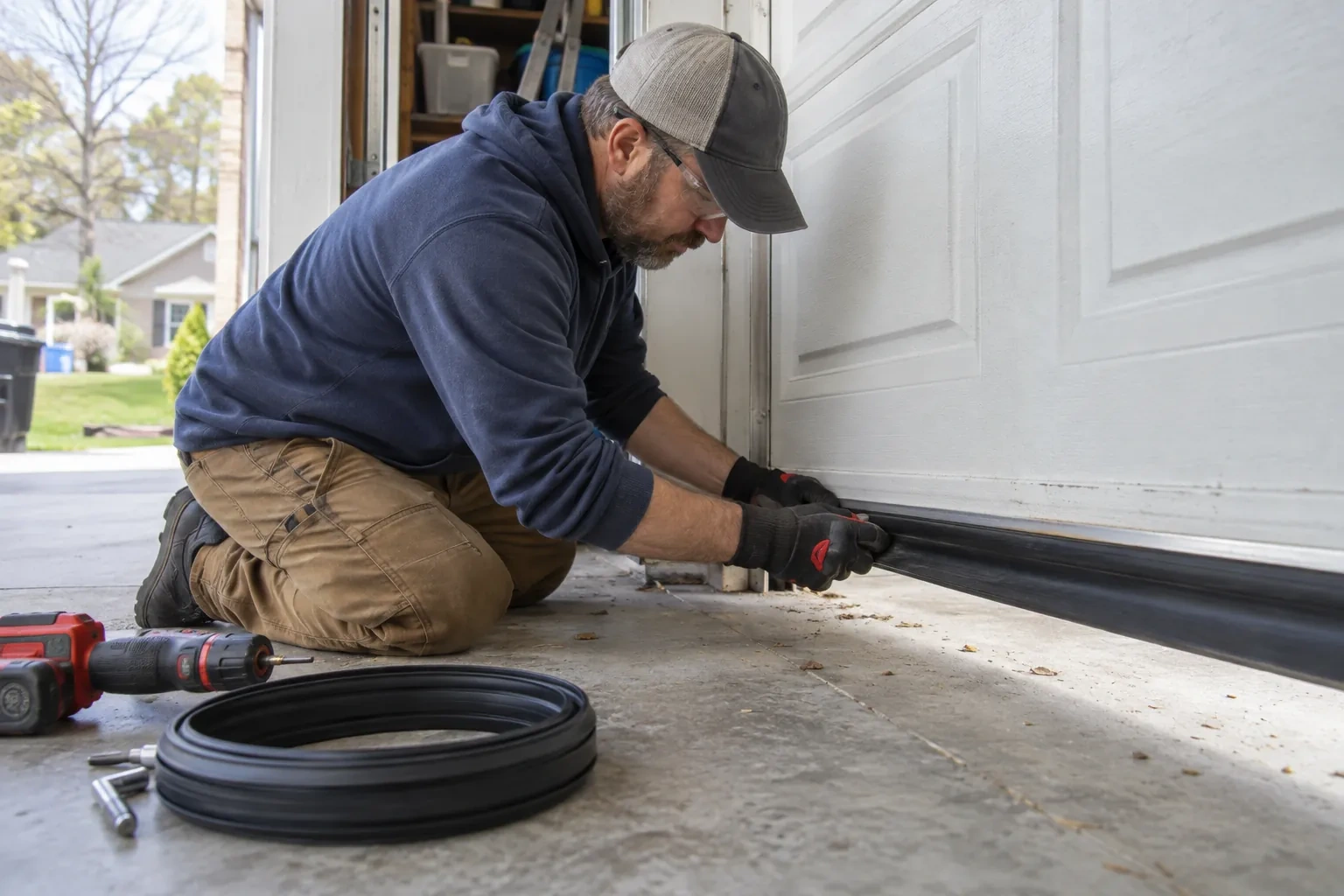
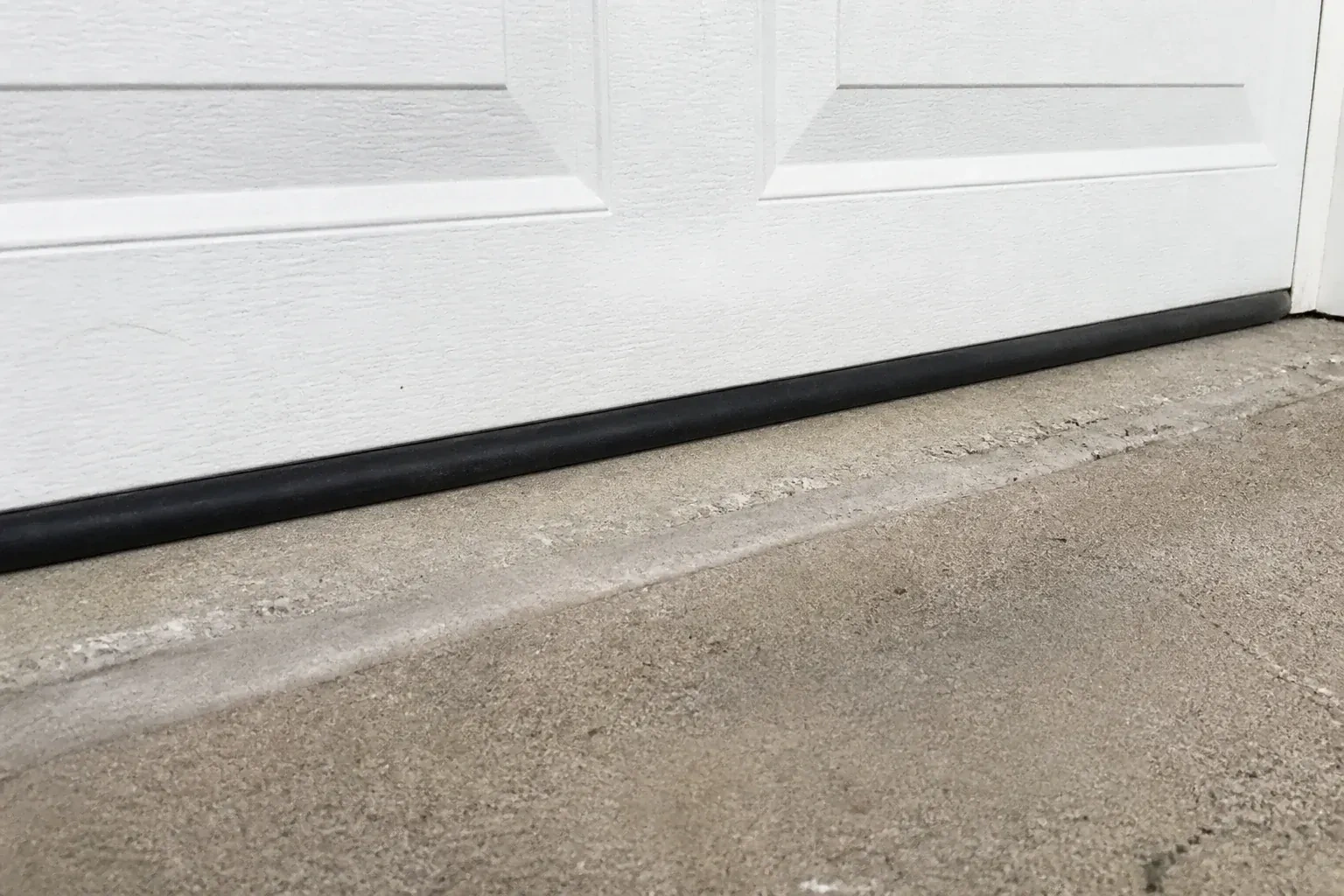
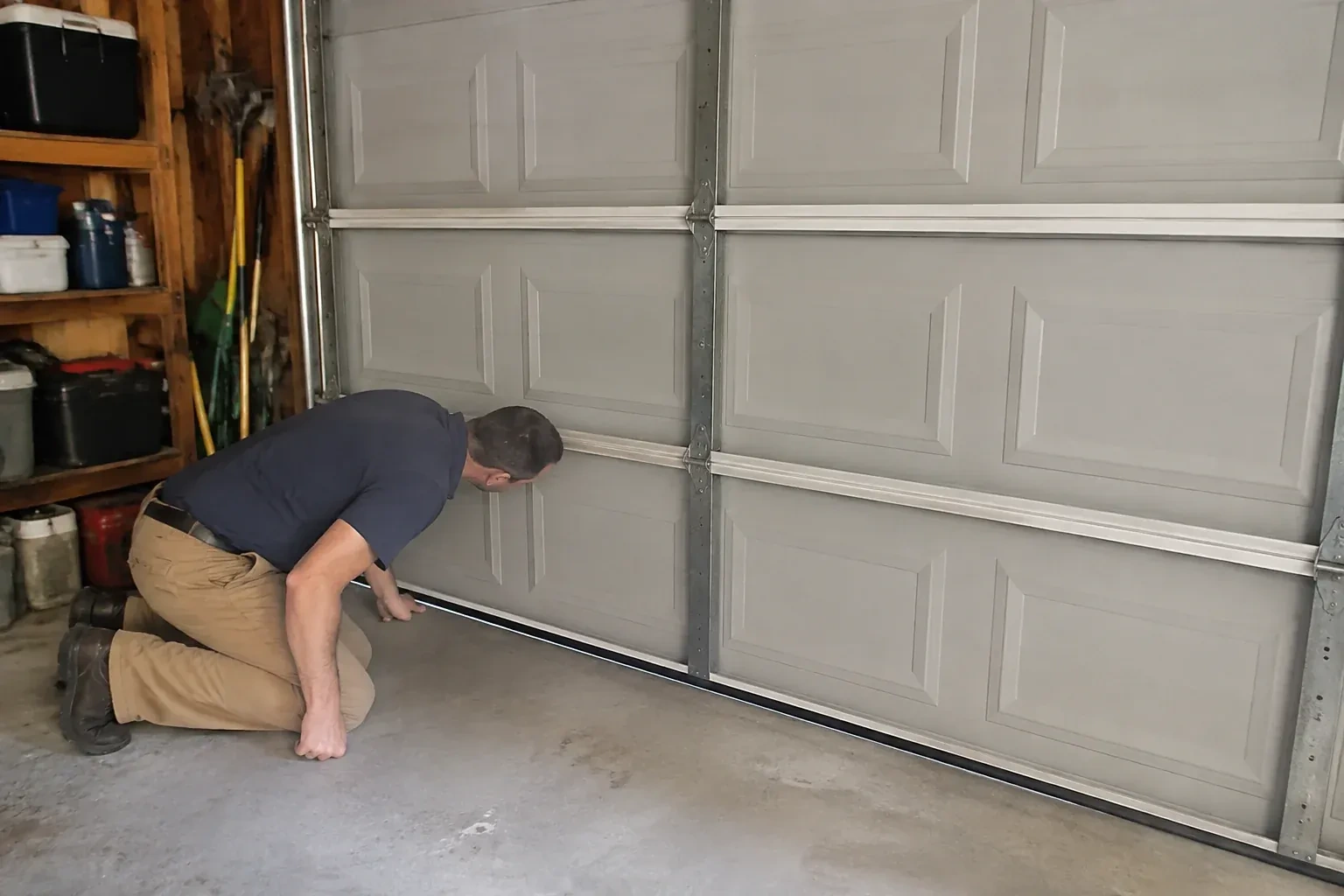
The survey measures the gap pattern across the closed line. A flexible bottom astragal can follow modest variation, while larger slopes, dips or damaged concrete may call for separate floor work or a carefully selected threshold approach. The goal is consistent contact without creating an obstruction that interferes with door travel or drainage.
How can the installed door be protected during remaining construction?
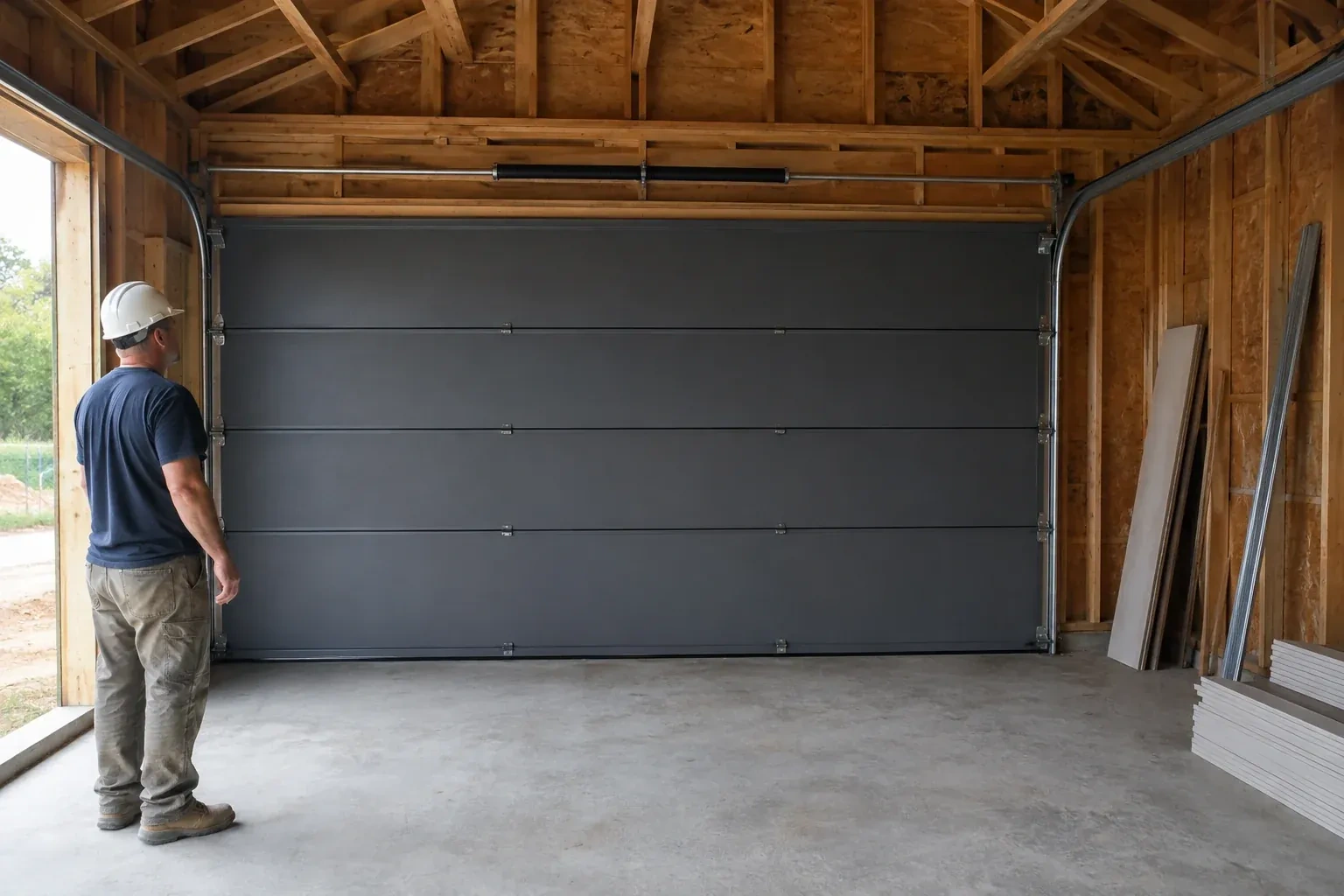
Keep masonry, paint, plaster, floor coatings and abrasive dust away from sections, seals, tracks and rollers. Other trades should avoid leaning materials against the door or using horizontal tracks for storage or support. Controls can be managed so the system is operated only by authorized project personnel before handover. If protective covering is used, it should avoid trapping moisture or adhesive against the finished surface.
Why is the bottom bar rising crooked?
An angled bottom bar can point to a shifted curtain, damaged slats, unequal guide friction, a moved barrel, impact at one guide or a counterbalance issue. Measurements at the sill, guides and brackets help separate those causes. Cycling is kept controlled because repeated powered movement can pull a minor tracking problem farther sideways.
Request a visit
Landlords and property managers in Lakeview Park get a written summary after every visit: the address, what was found, what was replaced, and what is likely to need attention next. Tenants get a door that works and remotes that behave. Everyone knows where things stand without a second phone call.