Garage Doors in Oshawa, OntarioBalanced doorsspare the opener.
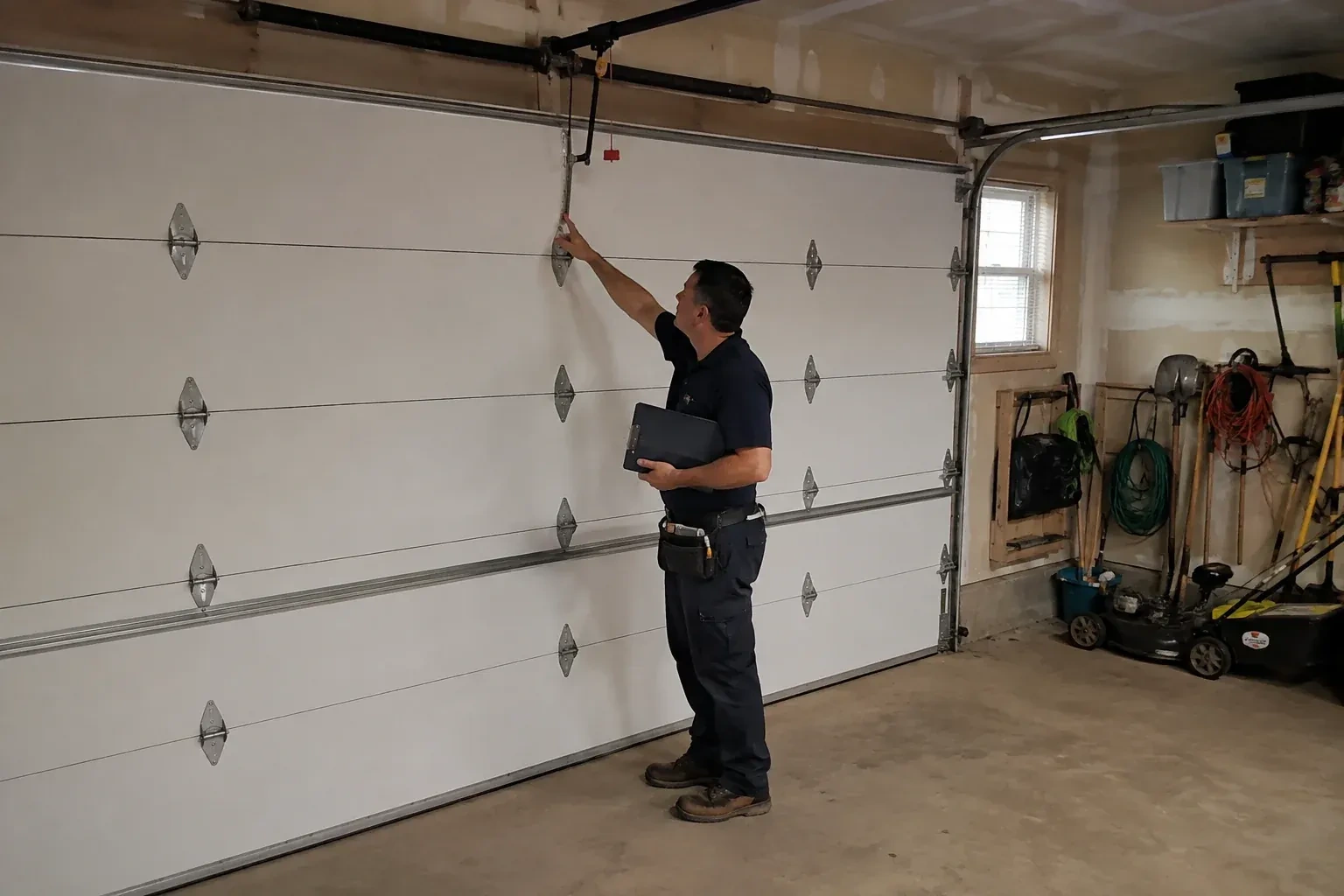
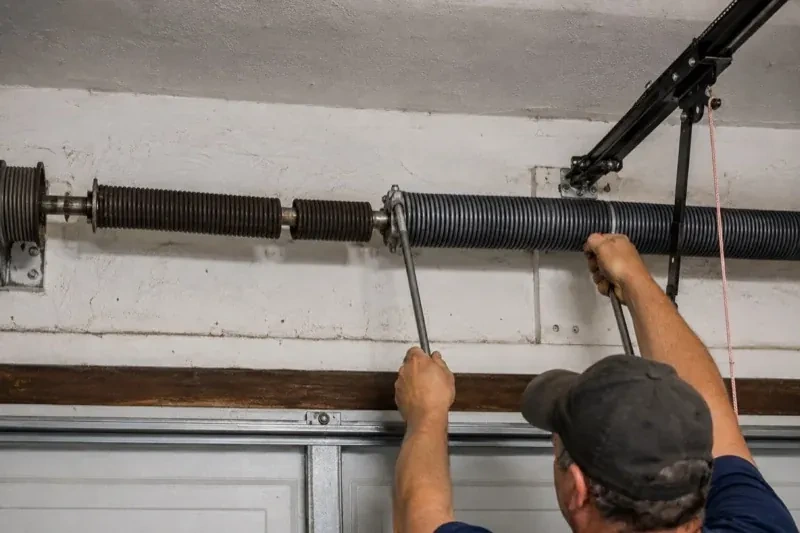
A door that drifts down or floats up when you pull the release is out of balance, and the opener has been lifting weight it was never designed for. We set the springs on doors in Oshawa so the door rests wherever you leave it, which spares the motor, the gear and the rail.
A door that drifts down or floats up when you pull the release is out of balance, and the opener has been lifting weight it was never designed for. We set the springs on doors in Oshawa so the door rests wherever you leave it, which spares the motor, the gear and the rail.
Repair when it makes sense. Replace when it doesn't.
We keep the van stocked for Oshawa so a single visit covers most repairs, and we book a time you can hold us to rather than a window that swallows your morning. If a part must be ordered, you hear that on the spot, along with when the second visit will be.
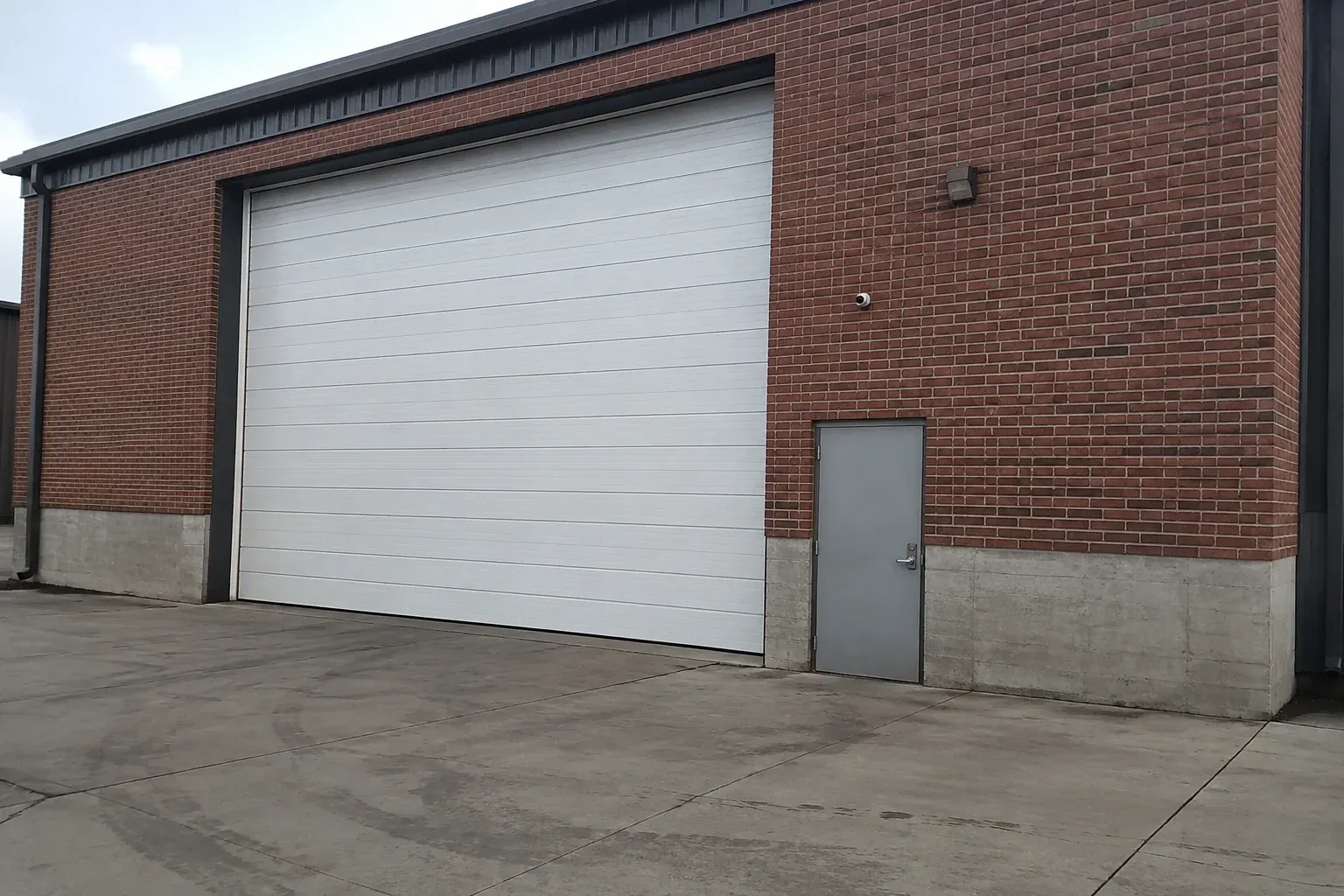
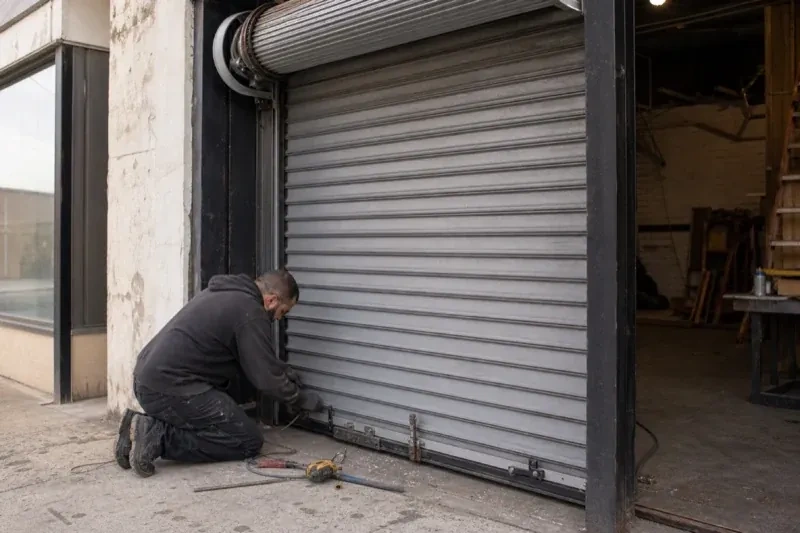
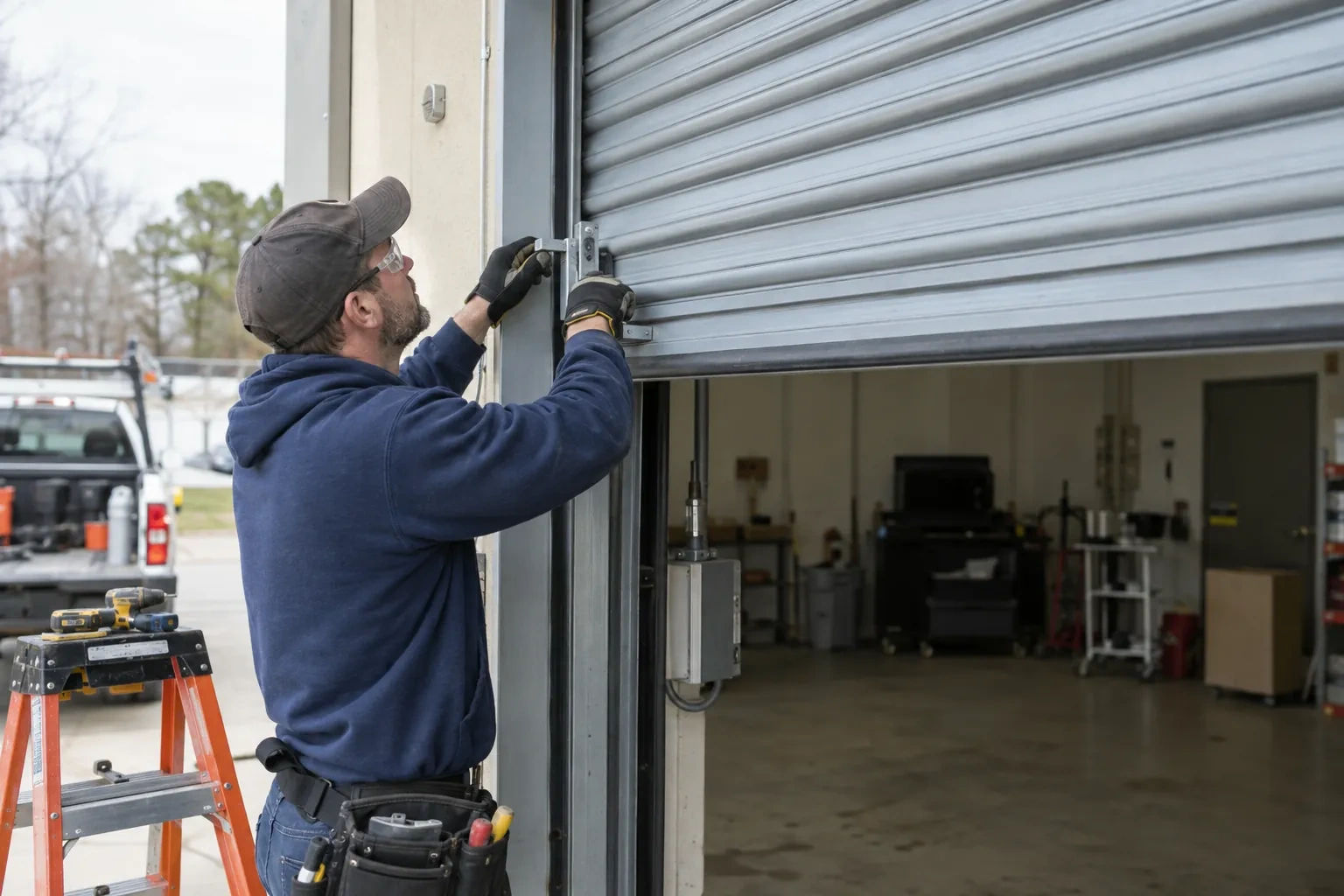
Shops, warehouses and workshops in Oshawa run on their doors, and a stalled door means a stalled day. We service commercial sectional and rolling steel doors, high-cycle springs, heavy-duty operators and safety edges, and we keep that hardware on hand. The person in charge on site gets a plain explanation of the fault and the fix, and a record for next time.
30years in business
24/7open every day
Plain language. No jargon, no acronyms. We describe the door's parts the way a neighbour would and answer every question as it comes.
Respect for your home. Shoes covered, tools on a mat, vehicles protected. Working in someone's garage is a privilege and we treat it that way.
Honest options. Where there is more than one way forward, you hear all of them, with the trade-offs, and choose what suits your budget and plans.
Request a visit for a stuck or noisy door in Oshawa.
A door in Oshawa that is lifting unevenly, dropping too far, screeching on the rails or refusing the remote is telling you which part is tired. Our services are grouped around those parts, springs and cables, tracks and rollers, openers and controls, so the fix is easy to identify.
About 59% of homes in Oshawa were built in 1980 or earlier, according to the 2021 Census.
Older homes
Where houses are older, the garage often sits beside the house rather than beneath a bedroom, so noise is a smaller concern and durability a larger one. Heavy-duty rollers, a properly sized torsion spring and cold-rated lubricant make an old door dependable for years.
Single-detached houses make up about 56% of homes in Oshawa (2021 Census).
Where houses and attached homes sit together, the shared garage door on a small condo building may be a commercial operator on a heavy door, while the house next door runs a light residential unit. We service both types and carry parts for each.
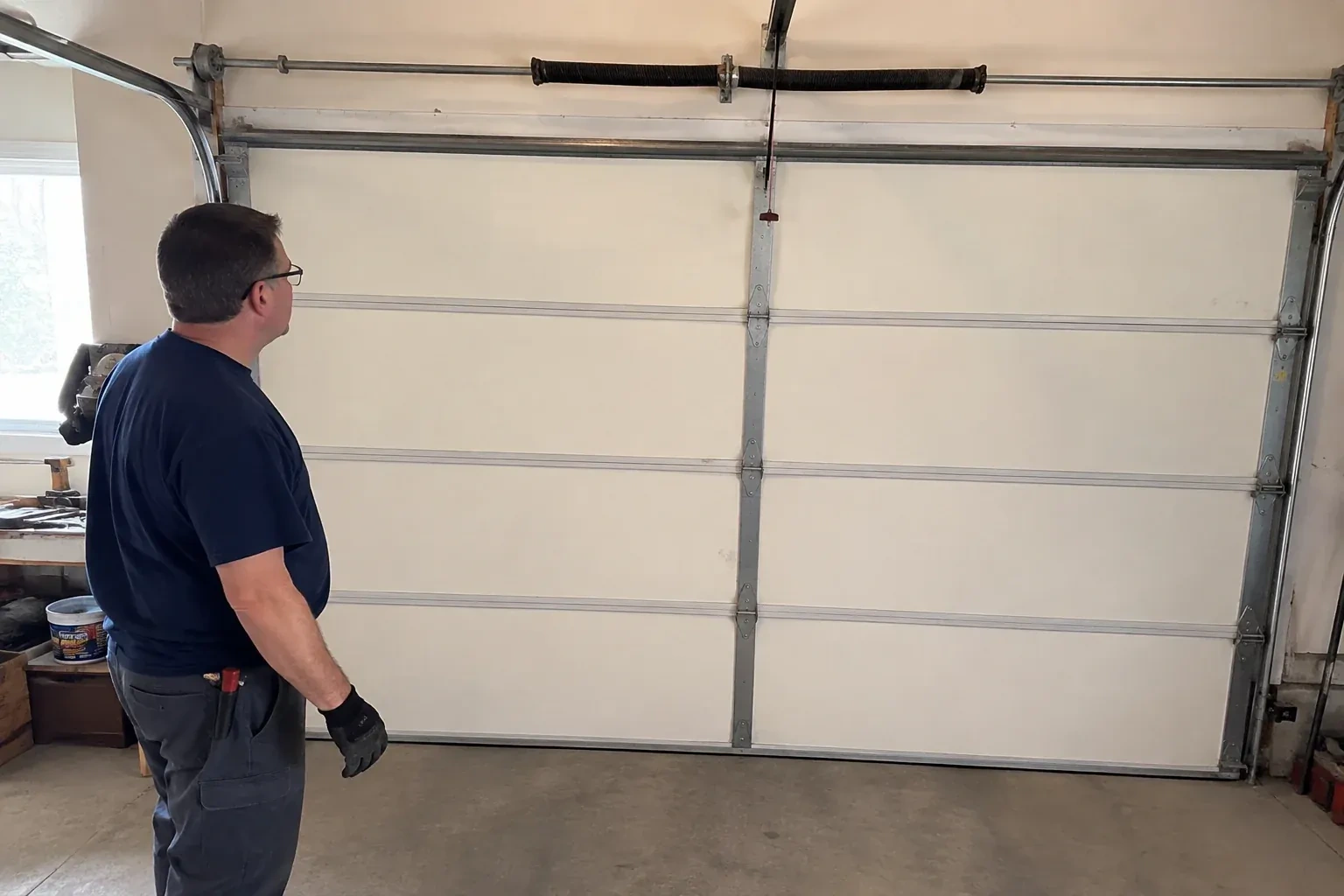
If the opener sounds like it is lifting a piano, the springs have probably weakened. Motors are built to guide a balanced door, not to hoist it, so restoring the spring tension protects the opener as much as the door.
Every morning the door announces itself: a rattle on the way up, a grinding squeal on the way down, loud enough that the neighbours know when you leave.
Press the button and the opener hums for a second, then quits. The trolley is jammed hard against a bolt at the very end of the rail near the motor and will not budge in either direction.
After the power came back you pulled the red cord to get the car out. Since reconnecting, the door stops short of the floor, and no amount of turning the limit adjustment brings it the rest of the way down.
You want the ceiling back. A storage loft, a vehicle lift or kayak racks would fit if the long rail and motor box were not hanging in the middle of the garage, and the low ceiling of an older house leaves little room for the standard rail anyway.
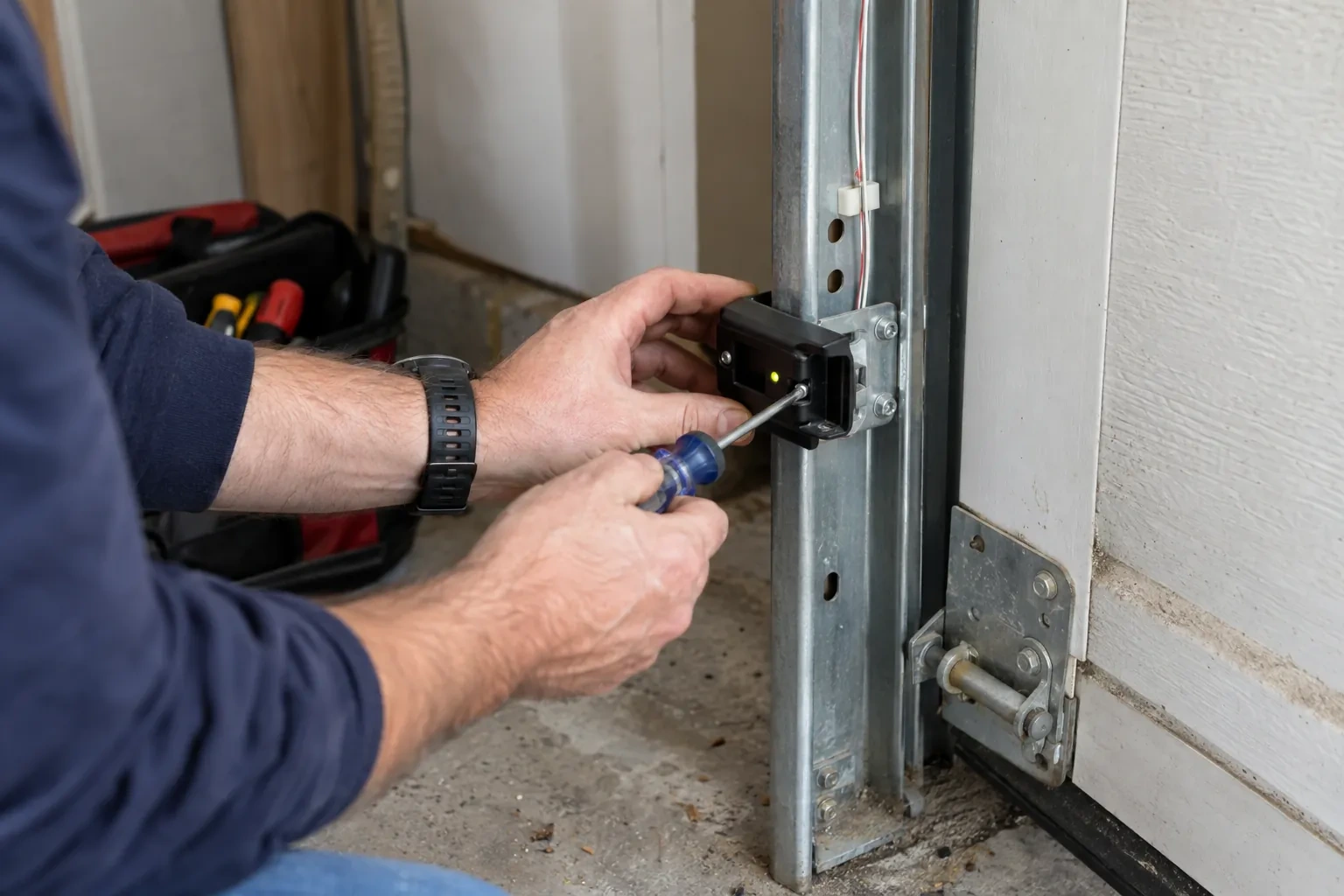
Since shelving went up along the garage wall, the door will not close and both sensor lights are dead. A screw or staple may have gone through the thin wire that runs from the opener to the sensors.
Someone in the family tried to add a remote, held the button on the ceiling unit a little too long, and now every remote in the house is dead at once. The wall control still moves the door.
A smart hub arrived in the mail with a coin-cell sensor and two wires. The instructions ask what colour your learn button is and how old the opener is.
Someone pulled the cord last spring to get a car out during an outage, and the door has never properly rejoined the opener. Press the button and the trolley glides along the rail by itself while the door stays exactly where it is.
Which fix fits?
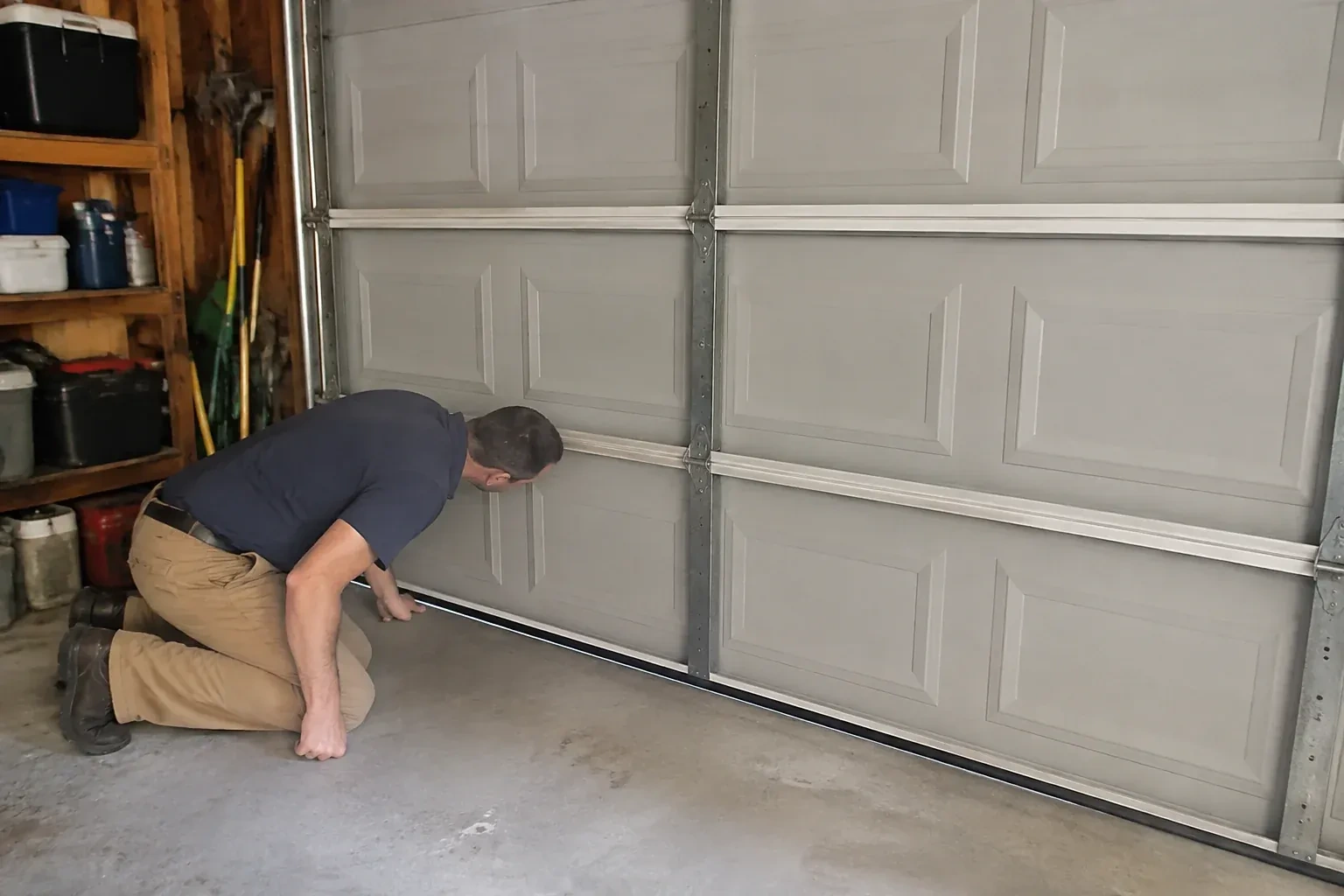
With the door closed and the lights off, a bright line of daylight runs along the floor from one side to the other.
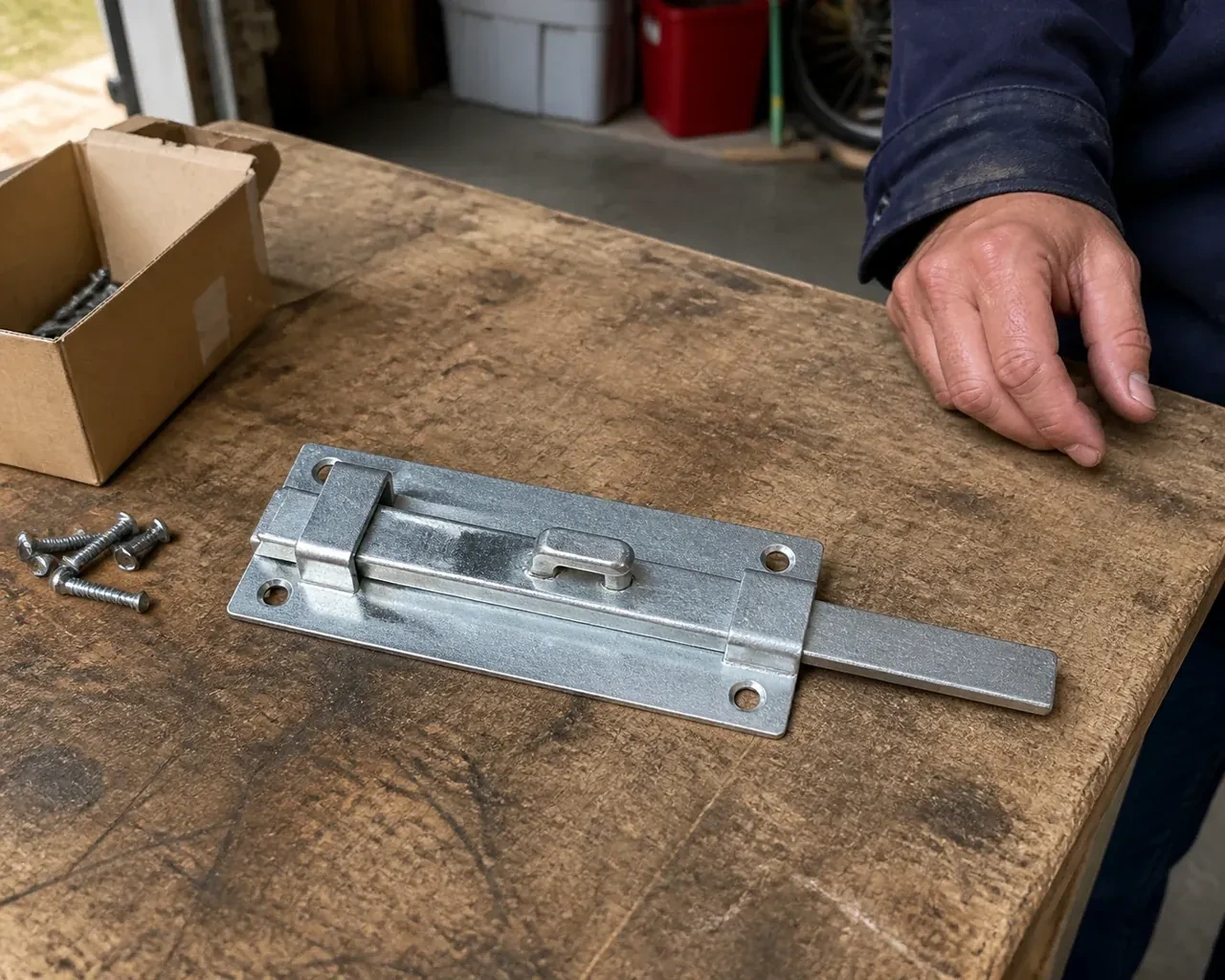
On the old wooden door out back, one lock bar hangs loose from a rusted guide and the other is bent at an angle, so the handle turns but the door can still be lifted a hand's width from outside.
WhyExterior rolling doors work at the boundary between indoor operations and winter weather.
How a visit goes
Describe the property, the hardware and what has changed, and the visit starts from what you have seen.
01
Say what you noticed
A new noise, a hesitation, a gap at the bottom. Small observations point us to the right part before we even arrive.
02
Diagnosis you can follow
We show you what we find as we find it: the worn cable, the tired spring, the sensor out of line. No mystery about the cause.
03
Work done and shown
The repair is completed, the door tested through full travel, and the result demonstrated so you know exactly what changed.
An entrance. Not an afterthought.
1/10Garage Door Bottom Seal Replacement
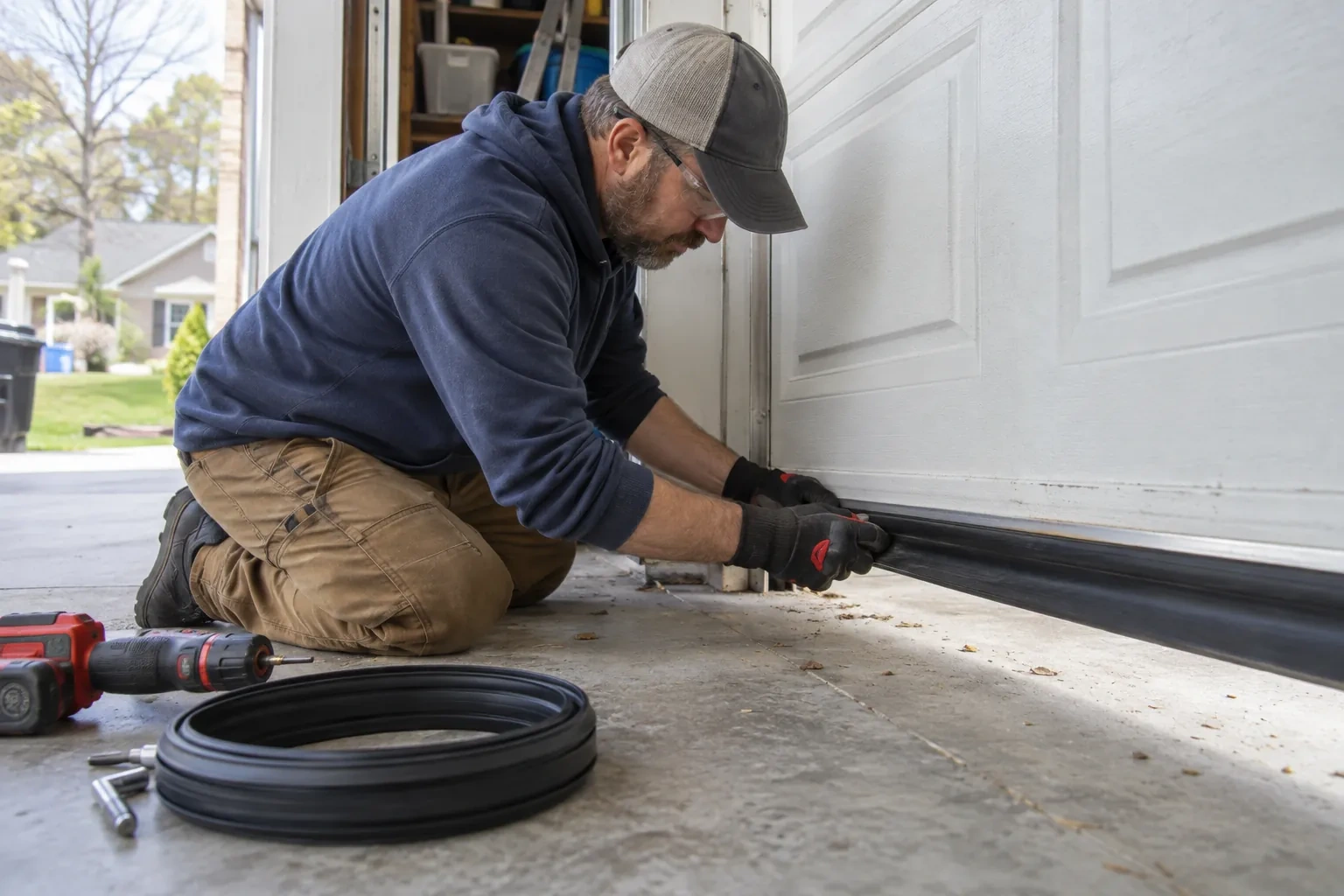
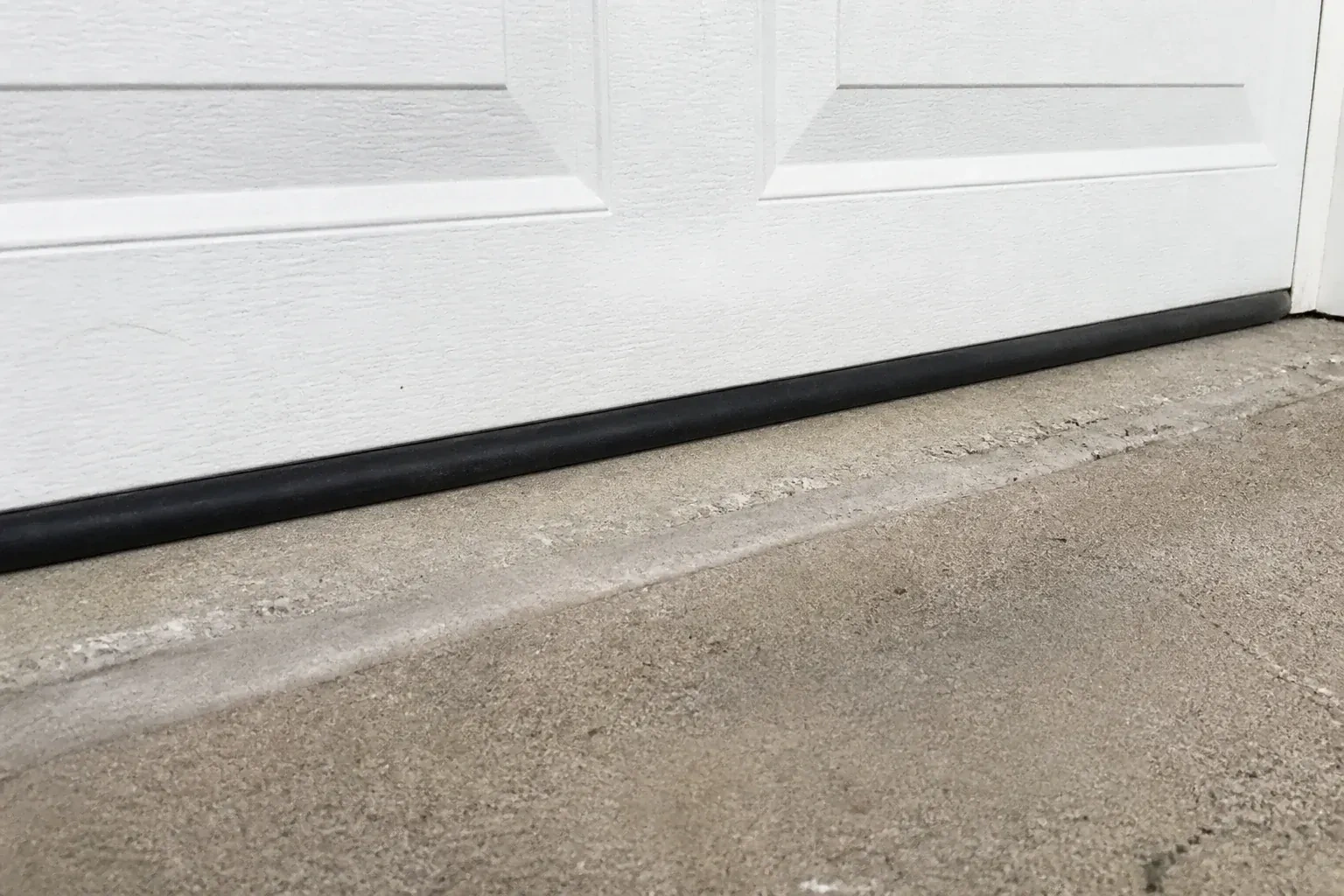
With the door closed and the lights off, a bright line of daylight runs along the floor from one side to the other. Leaves and grit have blown in under it and gathered in a neat drift against the back wall.
The vinyl strip around the door used to be soft and white. Now it is grey and hard, cracked every few inches, and a piece near the corner snaps off in your fingers. It no longer bends toward the door at all.
On the old wooden door out back, one lock bar hangs loose from a rusted guide and the other is bent at an angle, so the handle turns but the door can still be lifted a hand's width from outside.
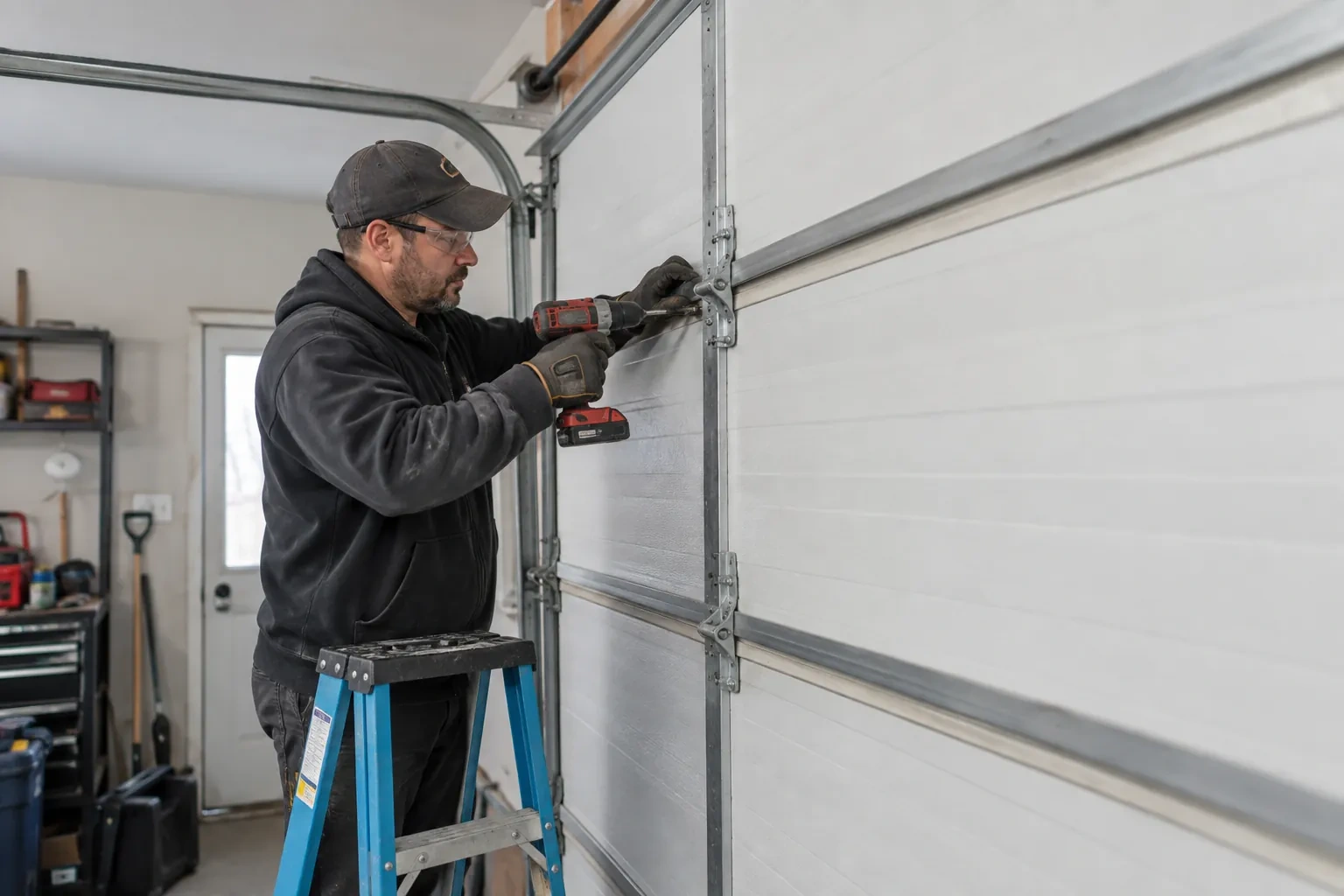
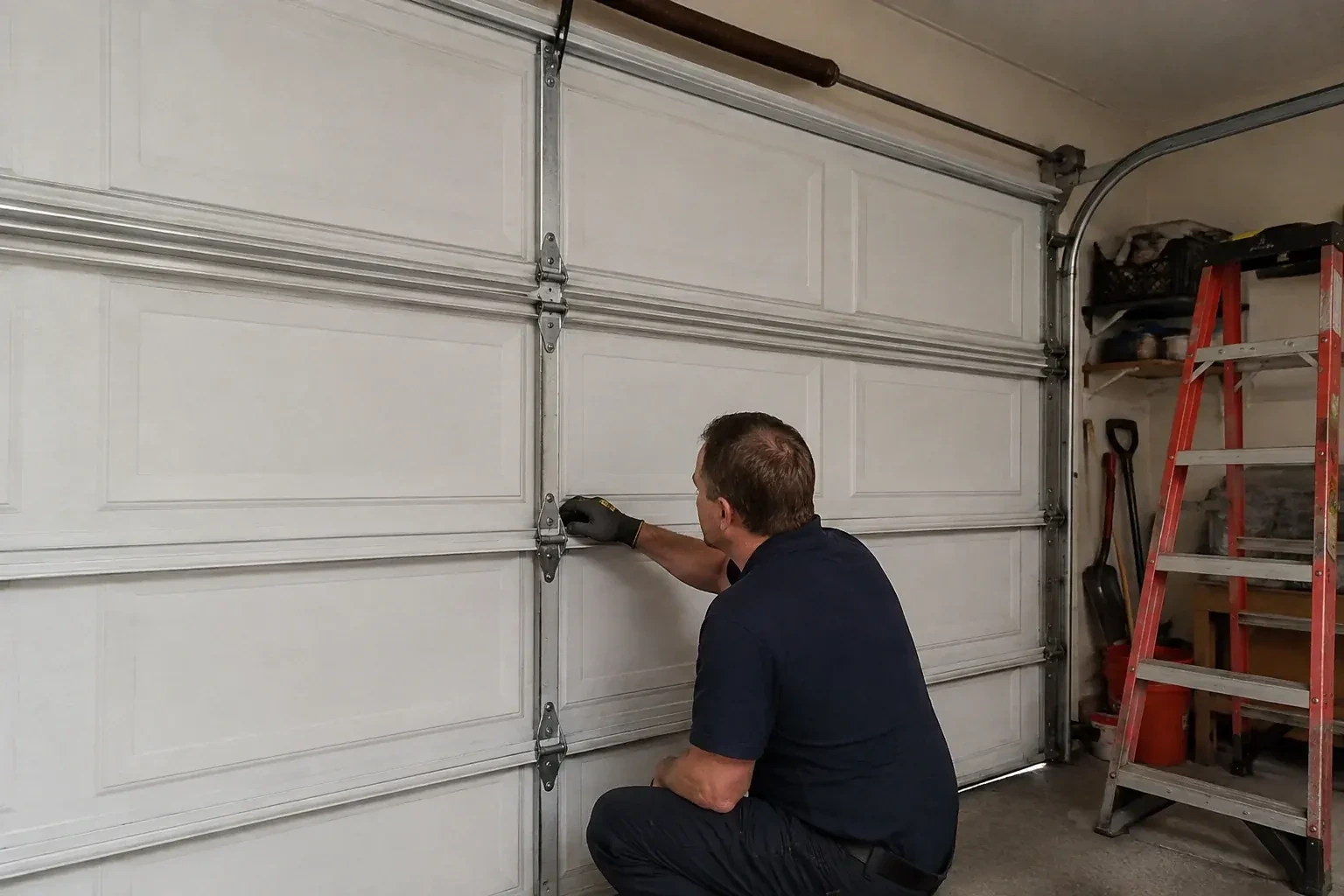
After a cold night the bottom seal had frozen to the slab. The opener strained, something gave, and now one of the upper hinges sits with its leaf bent outward and the panel below it flexes when the door moves.
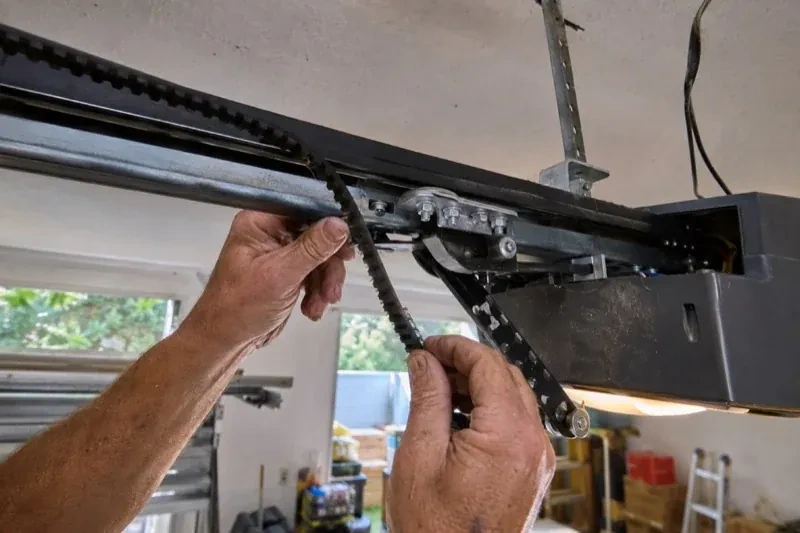
Press the remote and the motor runs its full cycle, lights on, the usual whir, but the door does not move a centimetre. Up at the trolley, the belt is hanging loose where a small plastic clip used to hold it.
The opener in the ceiling is older than the car parked under it. It groans on the way up, the light fixture rattles, and there are no small sensors near the floor. The last technician mentioned that parts for that model stopped being made years ago.
The opener is an older one with a row of tiny switches inside the remote. The last remote finally died, the maker stopped selling that model years ago, and the door itself still runs perfectly from the wall button.
Since the new door went in, the red handle has hung just below the ceiling, a stepladder's height above anyone in the household. During last week's blackout your daughter stood under it with a broom, unable to hook it down.
Cold weather has exposed a widening gap below the closed door. The bottom retainer is bent, the rubber seal is split, and uneven seating lets drafts and slush enter the work area.
At closing time, the bottom bar reaches the floor on one end while daylight remains under the other. The slide bolts miss their keepers, leaving staff unable to secure the business opening in its usual way.
Many homeowners do, and a technician's value lies in the parts that go wrong: identifying the exact profile so the seal seats, freeing a strip that has fused into its channel, spotting a retainer or door-level problem behind the gap, and resetting the opener's limit and force so the door lands gently and still reverses on an obstruction. If you would rather have it measured, fitted and tested in one go, that is what the visit is for.
What information helps when I book?
The size of the door and whether it is single or double, where you see daylight or feel drafts, whether the existing seal is a strip on a wood stop or a one-piece moulding, the colour of the trim, whether the wood near the floor feels soft, and whether the garage is attached or heated. Photos of the closed door from inside with the lights off, and of each corner from outside, are very useful.
What information helps when I book the visit?
Whether the lock is an inside sliding bar, an outside T-shaped handle with a key, or both; whether the handle turns and whether anything moves when it does; whether the key goes in and turns; whether an opener is fitted and whether it has ever run with the lock engaged; the door's material and age; and whether you hold a key. A photo of the inside of the lock is useful.
Can a light bump from the car damage a hinge?
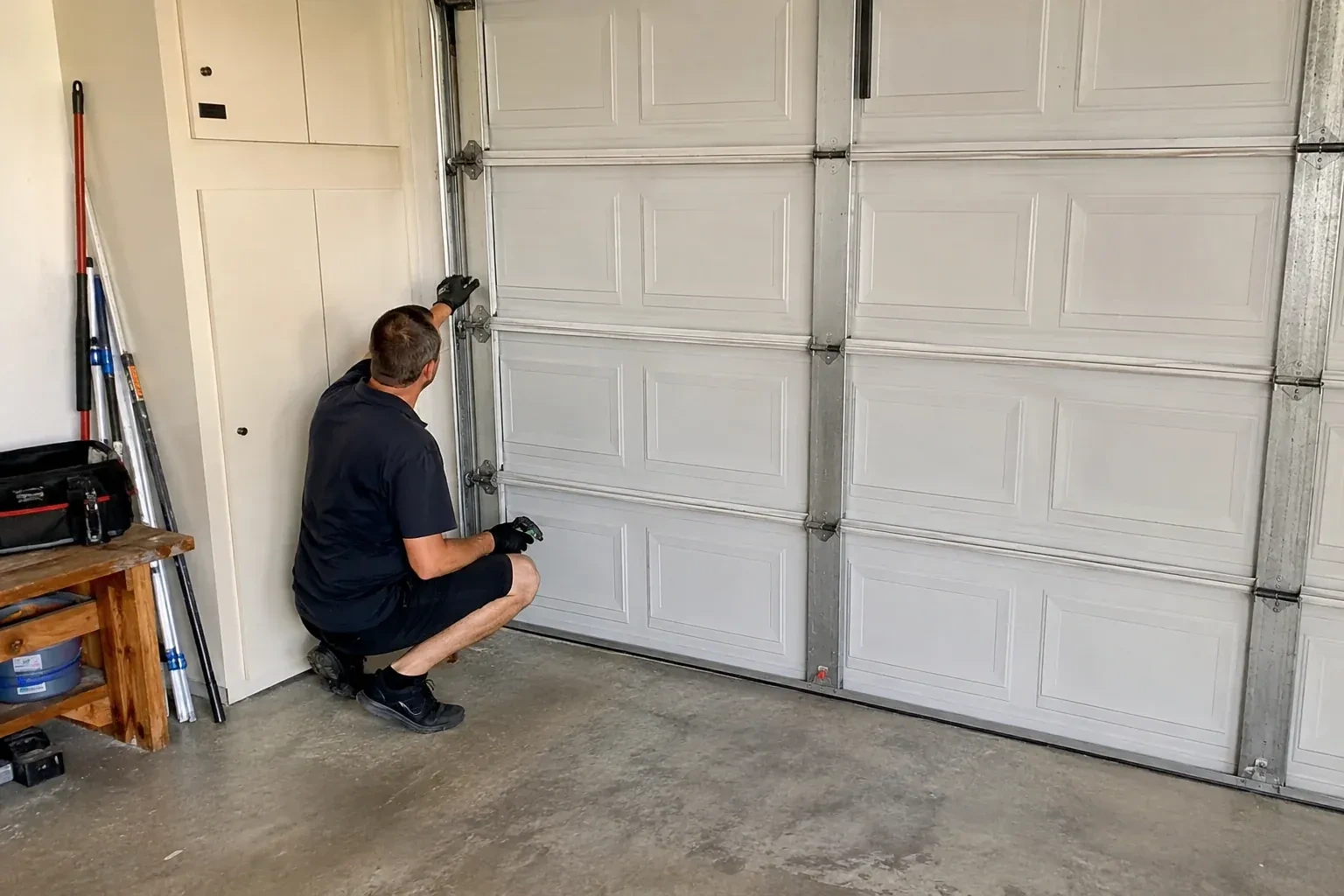
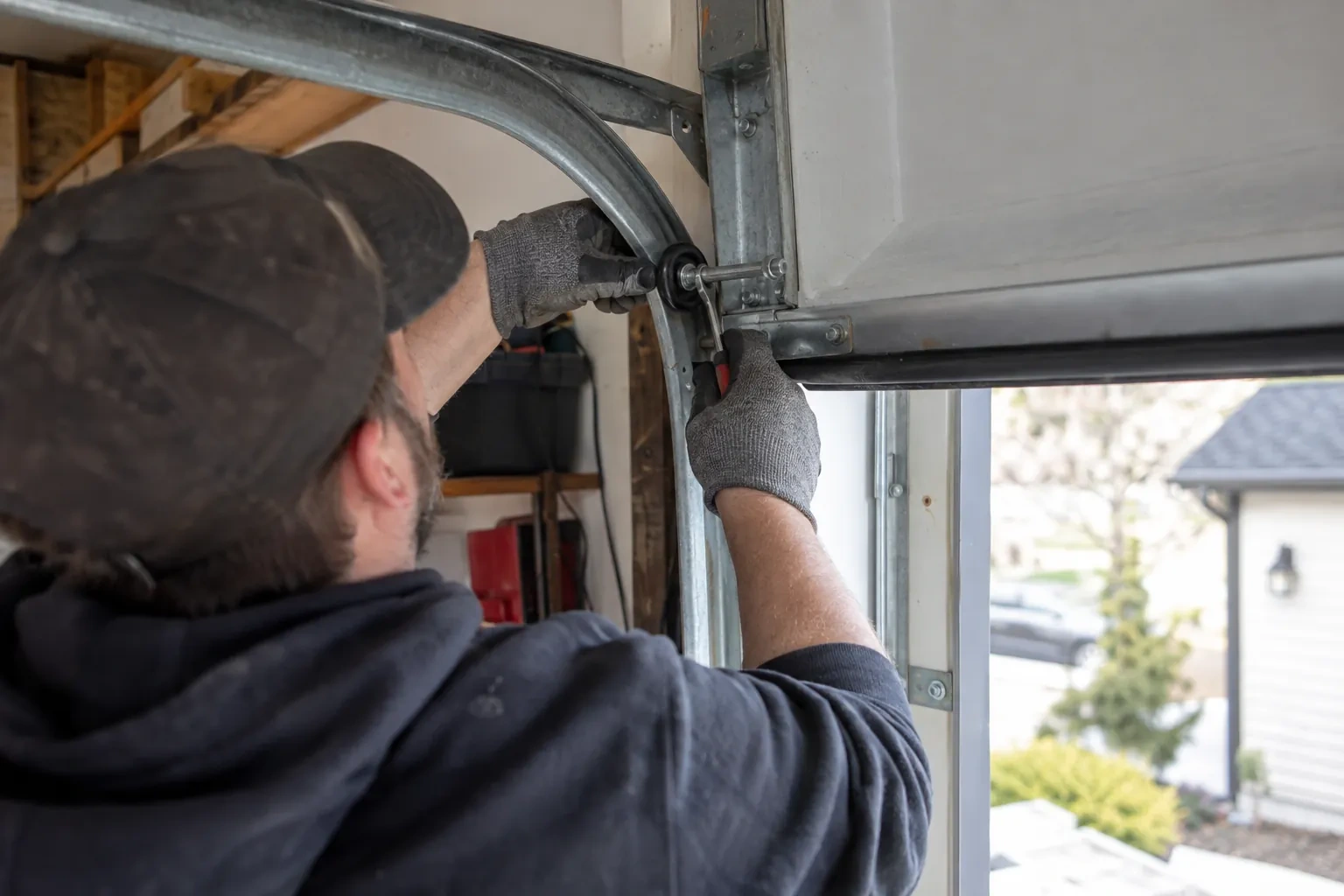
Yes, more often than people expect. The bottom two panels take the contact, and the edge hinge at that joint bends along with the stile behind it, so the panel edges rub and the roller leans. The damage sometimes only shows as a new squeak at the curve. The technician straightens or renews the stile, fits a new hinge and roller, and checks the strut and track on that side.
What is the difference between belt-drive repair and opener replacement?
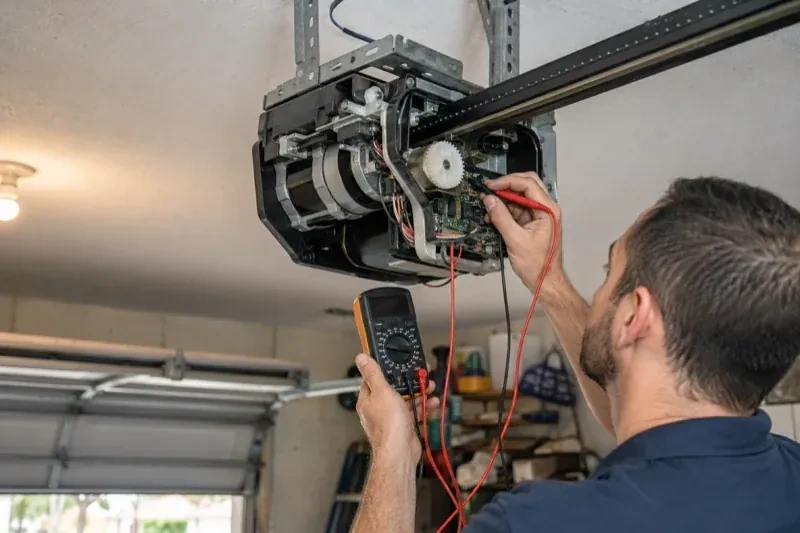
Repair keeps the operator you have and renews the piece of the drive that has failed: the belt, its tension, the trolley, the idler pulley or the gear and sprocket at the motor head. It suits a unit with a sound motor and board, photo eyes near the floor and rolling-code remotes. Replacement is the answer when the operator predates those features or when its board or motor has failed and is no longer made.
Will a new opener make the door quieter?
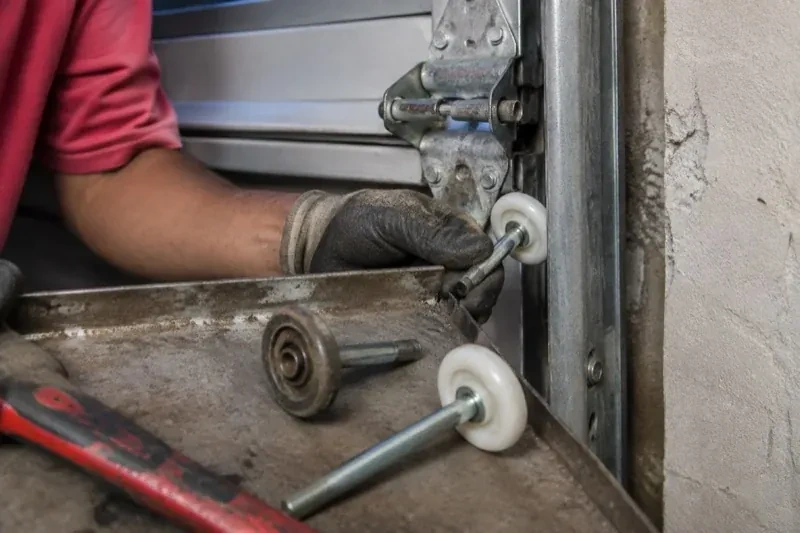
A belt or direct drive with a soft-start DC motor removes most of the operator's own noise, and a level, well-tensioned rail removes the rattle. The door contributes its own sound through rollers, hinges and springs, so the technician looks those over during the balance check and can fit nylon rollers or fresh hinges at the same time. Together the two changes turn a morning rumble into a hum.
What is rolling code and why does it matter for programming?
Most openers made from the mid-1990s on change their code every time a remote is pressed, choosing from billions of possibilities, so a copied code is usually useless next time; the technician confirms the actual system from the model, not age. Programming matters because the opener has to learn each remote's sequence at the learn button; a remote cannot simply be set to match. Older fixed-code openers, set by small switches, can be upgraded with an add-on rolling-code receiver.
What exactly is the emergency release on a garage door opener?
It is the manual disconnect between the opener and the door: a red handle on a cord below the rail, connected to a lever on the trolley. Pull it and the trolley lets go of the door so you can move the door by hand, for instance during a power outage. Push the lever back, or run the opener, and the two reconnect. It is required on residential openers, coloured red so it stands out from everything else overhead.
What can staff prepare before the repair visit?
Clear vehicles, pallets and stored materials from both sides of the opening and arrange another traffic route. Have the door number, model information, control location and service record available if possible. Note where in the cycle the symptom occurs and whether there was an impact or recent change. Access to the electrical isolation point may also be needed.
Why is the bottom bar rising crooked?
An angled bottom bar can point to a shifted curtain, damaged slats, unequal guide friction, a moved barrel, impact at one guide or a counterbalance issue. Measurements at the sill, guides and brackets help separate those causes. Cycling is kept controlled because repeated powered movement can pull a minor tracking problem farther sideways.
Request a visit
We keep the van stocked for Oshawa so a single visit covers most repairs, and we book a time you can hold us to rather than a window that swallows your morning. If a part must be ordered, you hear that on the spot, along with when the second visit will be.