New Doors · Oshawa
Commercial Rolling Door Repair in Oshawa
A metallic clatter now comes from inside the hood whenever the curtain coils.
In plain words
Exterior rolling doors work at the boundary between indoor operations and winter weather. Hardened bottom seals leave daylight, ice holds the bar to the sill, and salt-laden grit can collect where the curtain enters its guides. Service separates weather effects from alignment or balance faults, cleans the travel path and renews damaged sealing parts where included. The curtain is then checked for even contact at the floor and smooth entry into the coil. Care guidance focuses on keeping drains, guides, sensor faces and the threshold clear while using only the lubricant named for the door.
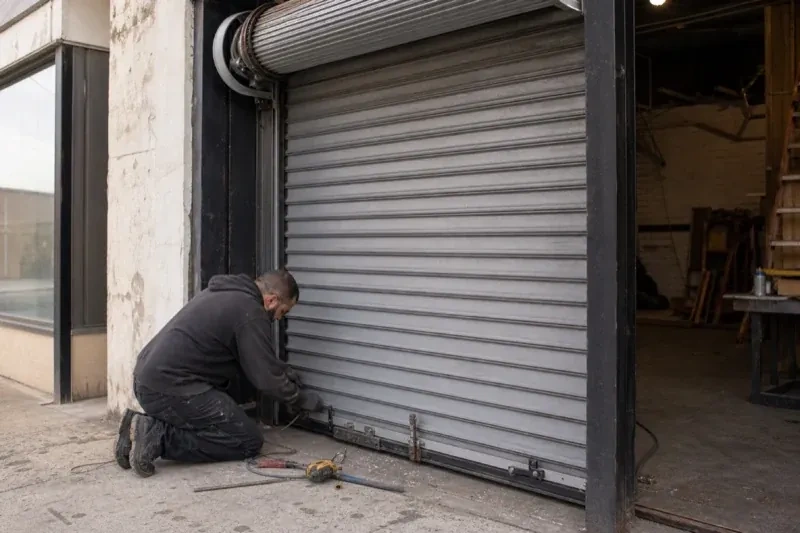
How the visit goesAt closing time, the bottom bar reaches the floor on one end while daylight remains under the other. The slide bolts miss their keepers, leaving staff unable to secure the business opening in its usual way.
Commercial Rolling Door Repair
How the visit goes
Start with the operating story
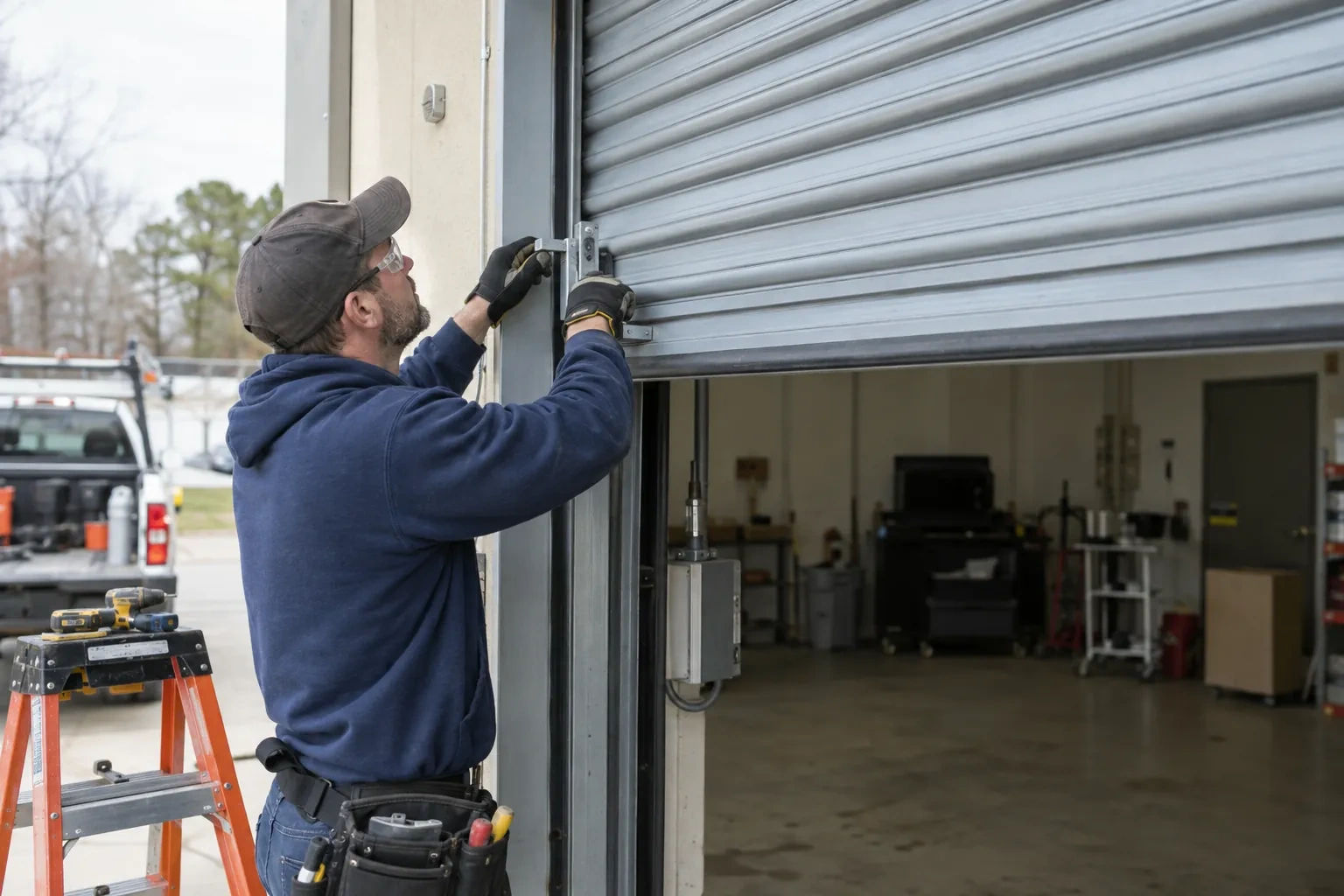
The first clues come from the people who use the opening. The technician asks whether the change appeared after an impact, power interruption, cold night or gradual increase in noise; where the curtain stops; which control was used; and how many cycles the door normally sees. Staff can also point out a lock that sticks, a manual chain that has become heavy or a sensor that needs repeated cleaning. That history narrows the inspection before any cycling begins and distinguishes a one-time obstruction from wear that has been developing across the whole assembly.
Secure the curtain and stored energy
Repair starts by establishing a stable mechanical state. Power is isolated under the site's procedure, the operating controls are kept from use, and the work zone remains controlled. Depending on position and construction, the curtain is lowered, clamped, blocked or supported with suitable lifting equipment before a guide, bracket or drive part is loosened. Manual chains are secured and counterbalance components are treated as energised. This setup gives the technician control over weight and movement, allowing later adjustments to be deliberate. It also protects nearby stock and equipment while the opening is temporarily out of normal service.
Practical protection from another impact
A repaired impact area offers useful evidence for prevention. The technician can show where the vehicle contacted the guide, bottom bar or curtain and which travel lane placed it there. Facility managers can respond with visible floor markings, adjusted staging, guide guards or a revised stopping point where those choices suit the site. Operators should report even a light strike because a guide can move before damage looks dramatic. Checking bottom-bar level, guide clearance and fasteners after contact turns a small event into a manageable inspection instead of allowing repeated cycles to spread distortion through the curtain.
Commercial Rolling Door Repair
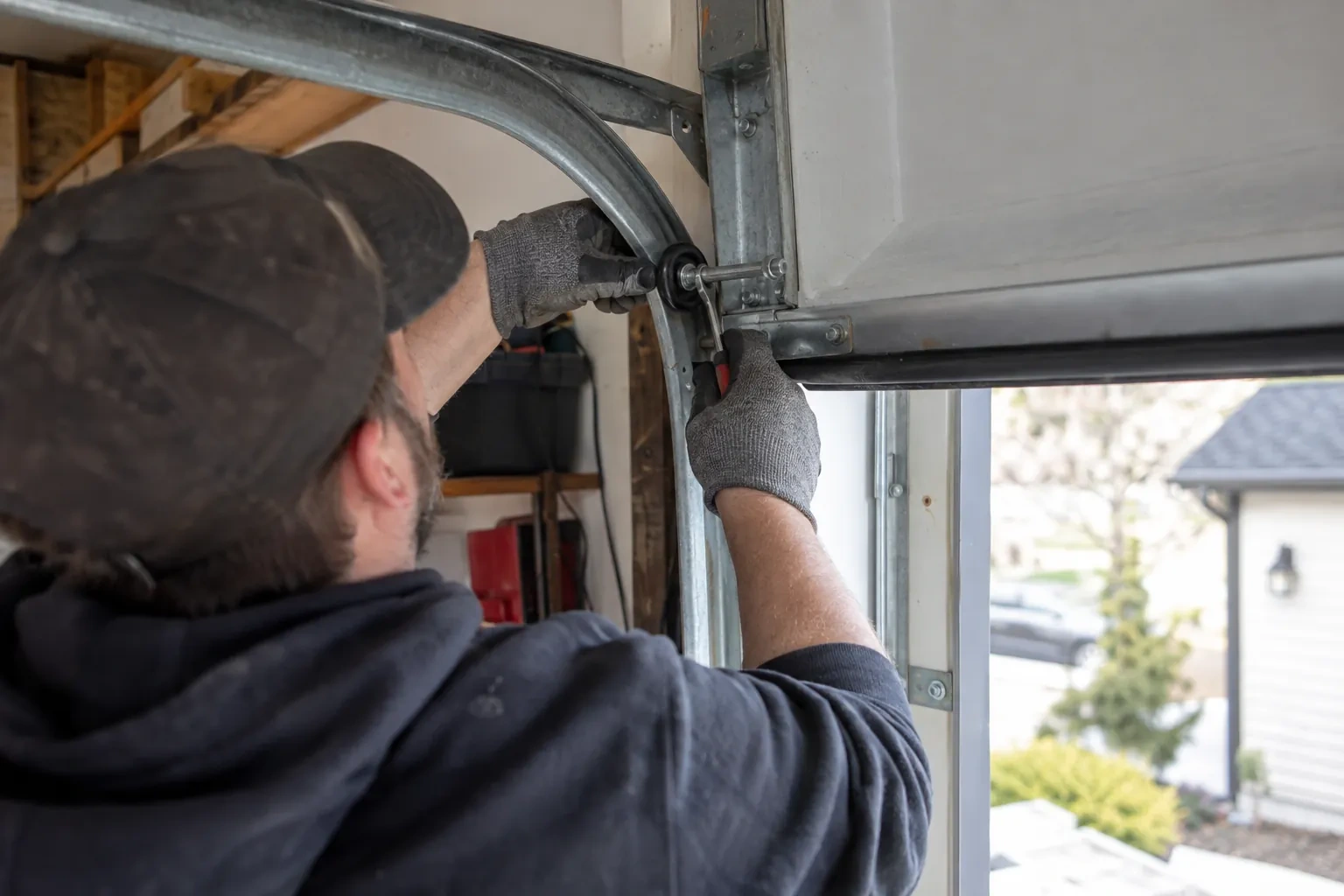
In the van
Bearings and tension wheel
Operator brake and limits
Counterbalance spring assembly
Roller chain and sprockets
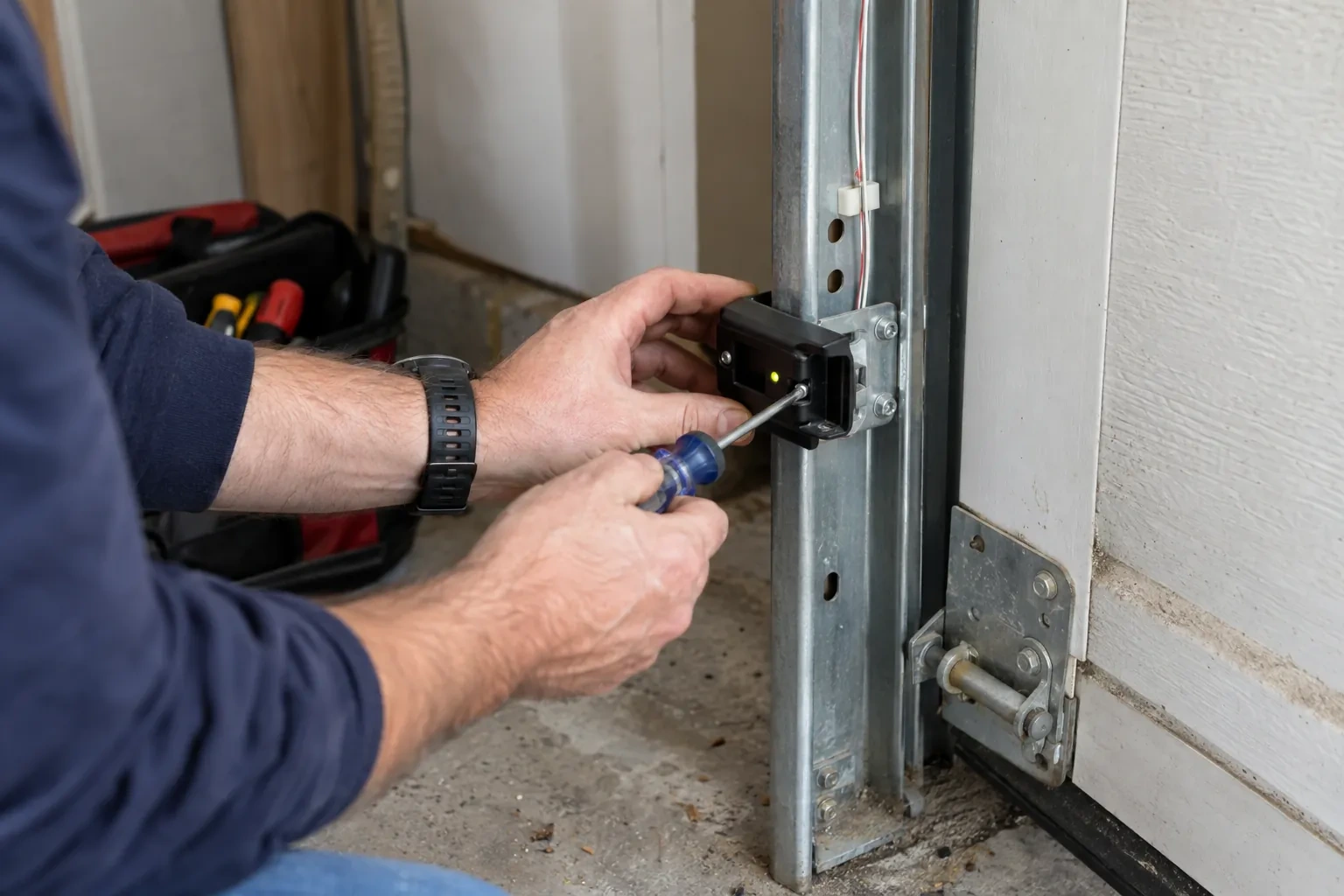
Photoelectric sensors
Commercial Rolling Door Repair
What affects the quote
Door construction and size
A coiling slat curtain, rolling sheet door, insulated assembly or labelled fire door uses different components and procedures. Opening width and height also shape curtain weight, access and handling equipment.
Electrical and structural coordination
Supply faults, building wiring, damaged framing or uncertain anchors may involve another responsible trade or professional. The rolling-door quote separates that coordination from authorised door-system tasks.
Counterbalance condition
Spring adjustment, bearing service and replacement of worn barrel-related parts require different labour and controls. Door weight, spring arrangement and operating position shape the counterbalance plan.
What to have ready
- Is the curtain fully open, closed or stopped between limits?
- What vehicles and pedestrians normally use this doorway?
- Does the curtain carry a visible fire-protection label?
Commercial Rolling Door Repair: questions
QuestionsWhat information helps before the visit?
Useful details include the opening size, curtain material, manual or powered operation, model labels, current door position, recent impact or weather event and the exact point where travel changes. Photos of the full opening, bottom bar, controls and labels can clarify the system. Mention a fire-protection label at the outset so that scope is recognised.
Why is the bottom bar rising crooked?
An angled bottom bar can point to a shifted curtain, damaged slats, unequal guide friction, a moved barrel, impact at one guide or a counterbalance issue. Measurements at the sill, guides and brackets help separate those causes. Cycling is kept controlled because repeated powered movement can pull a minor tracking problem farther sideways.
Can a door stuck partly open be repaired in that position?
The position becomes part of the repair plan. Traffic is controlled, the curtain is supported or secured, and its weight and stored spring energy are managed before a guide or drive component is released. Depending on the fault, the door may be brought to a safer working position under control before the component repair begins.
Related services
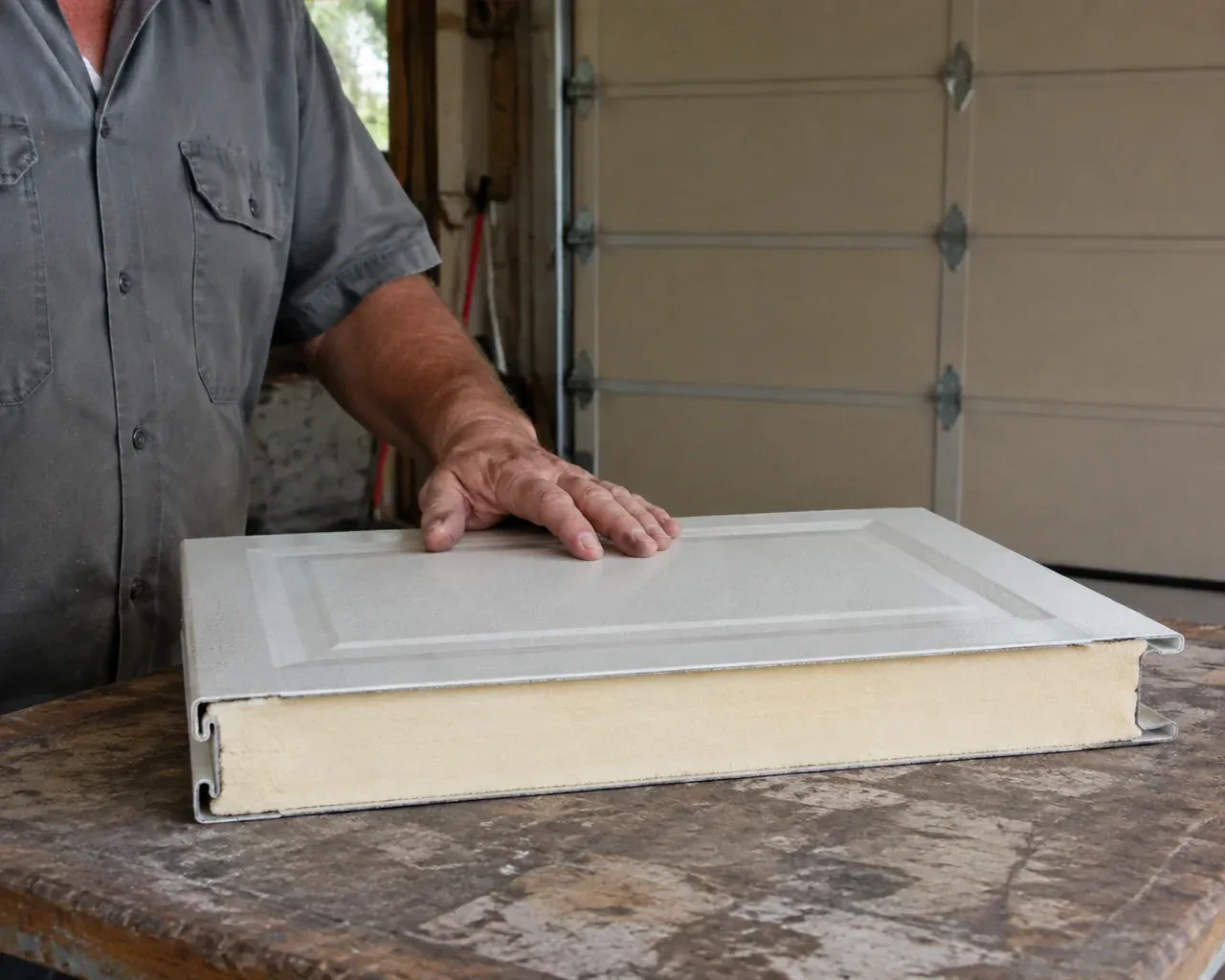
- Insulated Steel Garage Door InstallationA refreshed exterior has made the faded garage door stand out.
- Wind-Rated Garage Door ReplacementNew windows would improve the door's appearance, but they also change the section layout and reinforcement pattern.
- Carriage-House Garage Door InstallationA front elevation update has brought new trim, lighting and a deeper colour palette, leaving the garage door as the remaining piece.